Posts filed under: Gas Detection

Gas Detection

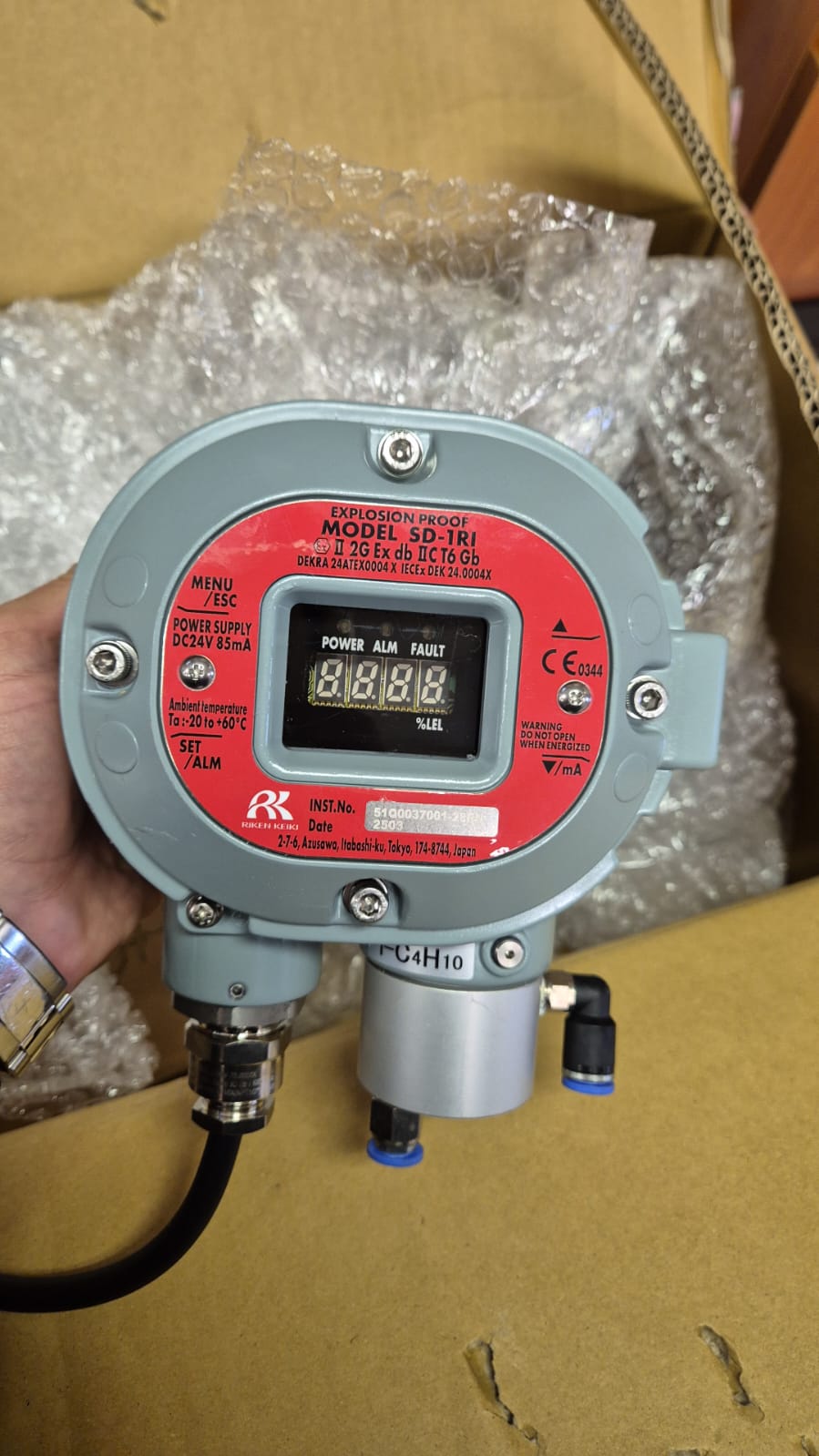
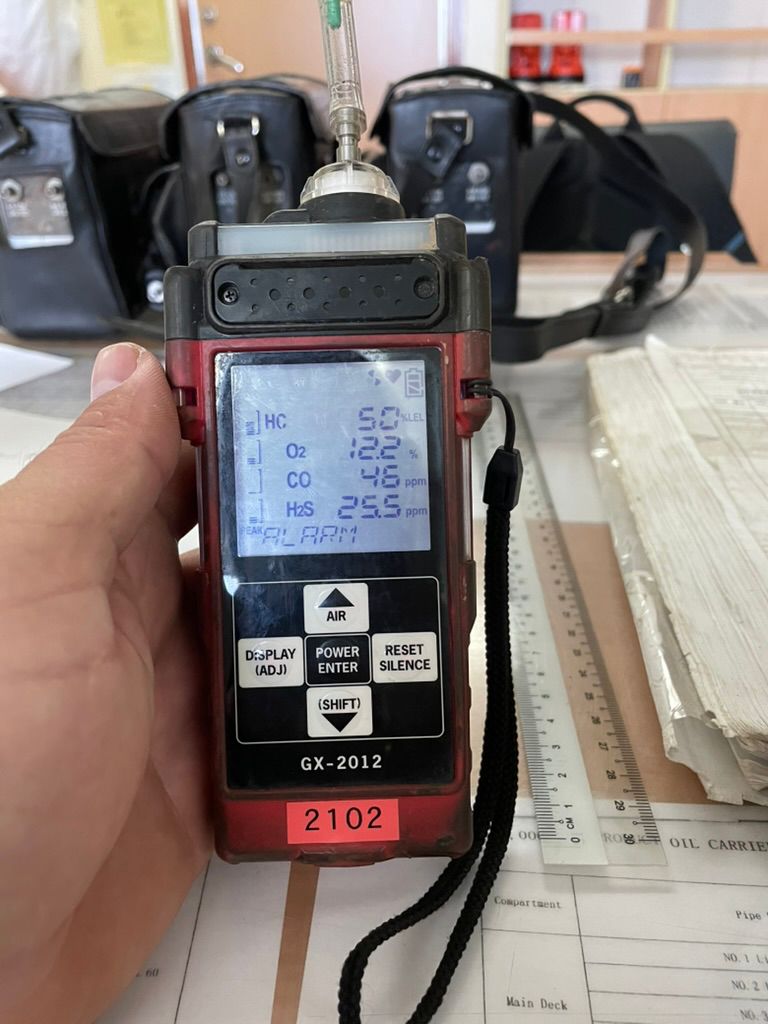
Calibration Service at The Ports of Algeciras, Gibraltar, Huelva, Cartagena, Barcelona for RKI Riken Keiki SD-1RI gas detection calibration onboard

Gas detection response is checked onboard.

The RKI Riken Keiki SD-1RI Fixed Gas Detector is a robust and highly reliable infrared (IR) gas detection solution designed for hazardous and explosive environments. Built with ATEX Ex-proof certification, this detector is ideal for marine vessels, offshore units, engine rooms, pump rooms, and industrial process areas where continuous gas monitoring is critical.

Using infrared absorption technology, the SD-1RI delivers stable and accurate detection of combustible gases without sensor poisoning, ensuring long-term performance and minimal drift. Its solid construction allows it to withstand vibration, humidity, salt air, and temperature variations commonly found onboard ships and in coastal installations.

Manufacturer insight:
RKI Riken Keiki highlights that the SD-1RI is engineered for dependable, long-term operation in harsh environments while maintaining consistent accuracy. The infrared sensing principle also allows reliable detection even in oxygen-deficient atmospheres, making it especially suitable for enclosed marine spaces.

Functional description:
The SD-1RI continuously measures gas concentration and outputs stable signals to control and alarm systems. Its explosion-proof housing ensures safe installation in Zone 1 hazardous areas, while the IR sensor design significantly reduces maintenance frequency.

Services Scope

We provide full onboard support, including: Health Check, Full Function Test, Calibration & Certification, Repair, Commissioning Service

Service Coverage
Spain, Gibraltar, Bulgaria, Turkey, Romania, Netherlands, France, Germany, Italy, Portugal, Greece, Malta, Cyprus, and major ports including Algeciras, Barcelona, Marseille, Rotterdam, Hamburg, Genoa, Piraeus, Istanbul, Valletta, Limassol, and many more across Europe and the Mediterranean.

Regulatory Compliance
Under IMO ISM Code, SOLAS, SIRE 2.0, and OCIMF GVP guidelines, gas detection systems must be regularly tested, calibrated, and maintained to ensure accuracy and safety. Calibration is typically required at intervals recommended by the manufacturer, commonly every 6 to 12 months, and must be recorded as part of the vessel’s Safety Management System (SMS).

Continue Reading →
Gas sampling system control panel with sensors, flow indicators and alarms undergoing inspection and troubleshooting during marine service

Gas Sampling System flow fault troubleshooting and service carried out on board to restore safe and reliable gas detection performance

The Smit Gas System Inert Gas Generator is a vital safety component for modern tankers, designed to keep cargo operations secure by controlling oxygen levels inside cargo tanks. By generating clean, low-oxygen inert gas, the system minimizes the risk of fire and explosion during loading, discharge, and tank protection operations.
Built on proven marine engineering principles, this inert gas generator combines robust combustion technology with efficient cooling and scrubbing stages to ensure the gas delivered to cargo tanks meets strict safety limits. Continuous monitoring, alarms, and automatic safety functions give crews confidence that the system is operating as intended at all times.
To maintain reliability and regulatory compliance, regular inspection, testing, and calibration are essential. Our service scope covers everything from health checks and full functional testing to calibration, certification, repair, and complete commissioning. All services are available on board, reducing downtime and ensuring vessels remain inspection-ready.
We support Smit Gas System inert gas generators across major European and Mediterranean ports, offering fast response and experienced marine technicians wherever your vessel operates. From routine maintenance to urgent repairs, our goal is to keep your inert gas system fully compliant with IMO SOLAS, ISM Code, and OCIMF SIRE 2.0 expectations.
A properly maintained inert gas generator is not just a regulatory requirement—it is a cornerstone of safe cargo operations and crew protection. With expert service and full documentation, you can sail with confidence knowing your inert gas system is performing at its best.

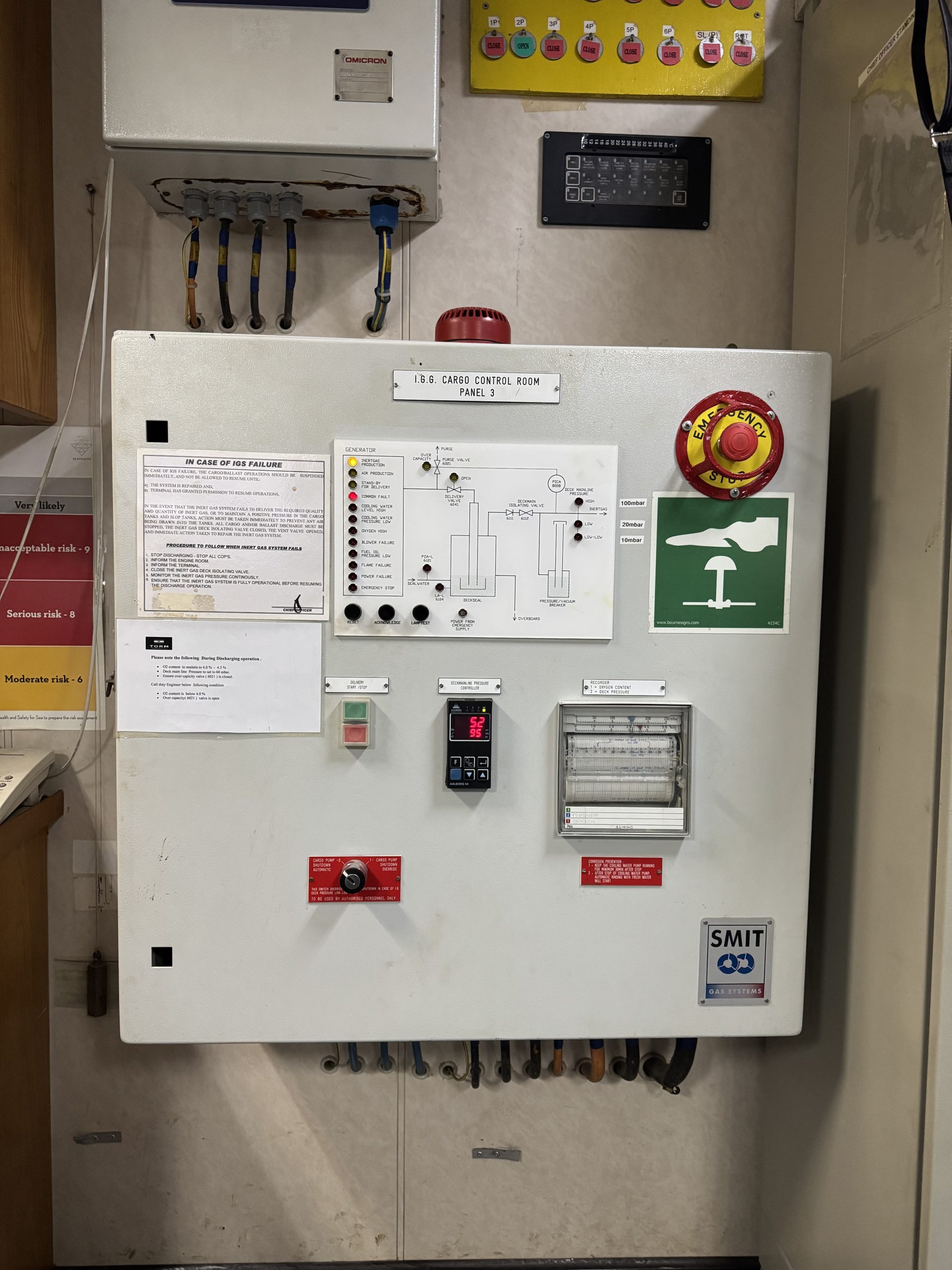
Smit Gas System Inert Gas Generator ensures safe cargo operations by maintaining controlled oxygen levels, protecting vessels, crews, and cargo while meeting international marine safety regulations.

The Inert Gas Generator (IGG) by Smit Gas System is a marine safety system designed to produce clean, low-oxygen inert gas for cargo tank blanketing and purging. It plays a critical role in preventing explosions and maintaining a non-flammable atmosphere on board tankers and gas carriers.

Designed with decades of marine expertise, Smit Gas System inert gas generators are built to deliver dependable performance even in the most demanding operating conditions.

The system is engineered to support safe cargo handling by consistently maintaining oxygen levels well below flammable limits.

The inert gas generator produces inert gas through controlled fuel combustion, followed by cooling, scrubbing, and oxygen reduction before delivery to cargo tanks.

Integrated monitoring and safety controls ensure continuous compliance with vessel safety parameters and operational alarms.

Services Scope: Health Check, Full Function Test, Certification, Calibration, Repair, Commissioning, On-board service availability

Service Coverage Ports & Regions:
Spain, Gibraltar, Bulgaria, Turkey, Romania, Netherlands, France, Germany, Italy
Ceuta, Algeciras, Huelva, Cadiz, Malaga, Valencia, Barcelona, Tarragona, Cartagena, Bilbao, Gijón, A Coruña, Vigo, Las Palmas, Santa Cruz de Tenerife, Lisbon, Sines, Leixões, Setúbal, Marseille, Le Havre, Dunkirk, Nantes Saint-Nazaire, Antwerp, Zeebrugge, Rotterdam, Amsterdam, Hamburg, Bremerhaven, Wilhelmshaven, Genoa, La Spezia, Livorno, Venice, Trieste, Naples, Taranto, Gioia Tauro, Piraeus, Thessaloniki, Heraklion, Constanța, Mangalia, Varna, Burgas, Istanbul, Izmir, Rijeka, Split, Valletta, Limassol, Larnaca

Regulations & Compliance
Under IMO SOLAS Chapter II-2 and the ISM Code, inert gas systems must be maintained in safe working condition, with instruments and safety devices regularly tested and calibrated.
OCIMF SIRE 2.0 and GVP inspections require documented evidence of system functionality, alarm accuracy, and calibration traceability.

Recommended Practice:
Functional testing and inspection at least annually, Calibration of oxygen analyzers and safety sensors in line with manufacturer recommendations and flag/class requirements

Continue Reading →
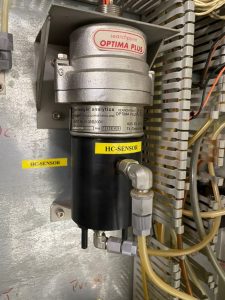
Calibration Service at The Ports of Algeciras, Gibraltar, Huelva, Cartagena, Barcelona for Optima Plus gas detection calibration onboard

Gas detector response and alarms are tested onboard.

With the Honeywell Searchpoint Optima Plus and our certified service support, you can ensure safety, compliance, and peace of mind wherever your vessel or facility operates.

The Honeywell Searchpoint Optima Plus is a proven infrared gas detection sensor designed to deliver reliable and continuous monitoring of hydrocarbon gases in demanding marine and industrial environments. Using advanced infrared absorption technology, this detector ensures fast response and dependable performance, even in harsh conditions such as offshore platforms, engine rooms, cargo handling areas, and hazardous zones.

According to Honeywell, the Searchpoint Optima Plus is engineered for long-term stability and minimal drift, helping operators reduce false alarms and maintenance frequency. Its robust construction and weather resistant design make it well suited for both offshore and coastal installations, where reliability is critical to safety and compliance. Another key strength highlighted by the manufacturer is its ability to operate accurately in environments where catalytic sensors may struggle, such as areas with low oxygen levels or exposure to poisons.

From the technical documentation, the sensor is designed to continuously measure hydrocarbon gas concentrations without requiring frequent recalibration, and it delivers fast, repeatable detection across a wide range of flammable gases. These features make it an ideal choice for safety critical marine and port applications.

We provide on board calibration, repair, and commissioning services, ensuring your gas detection system remains fully operational and compliant. Our service coverage includes major ports and industrial hubs across Spain, Gibraltar, France, Germany, Italy, the Netherlands, Turkey, Romania, Bulgaria, Greece, Malta, Cyprus, Portugal, Belgium, Croatia, and the Black Sea region, including key locations such as Rotterdam, Antwerp, Marseille, Hamburg, Genoa, Istanbul, Piraeus, Constanța, and many more.

Regulatory Compliance

Under IMO SOLAS, ISM Code, SIRE 2.0, and GVP guidelines, fixed gas detection systems must be maintained and calibrated in accordance with manufacturer recommendations and flag state requirements. In practice, calibration is typically required at least annually, or more frequently depending on operating conditions, risk assessment, and company safety management systems.

Continue Reading →
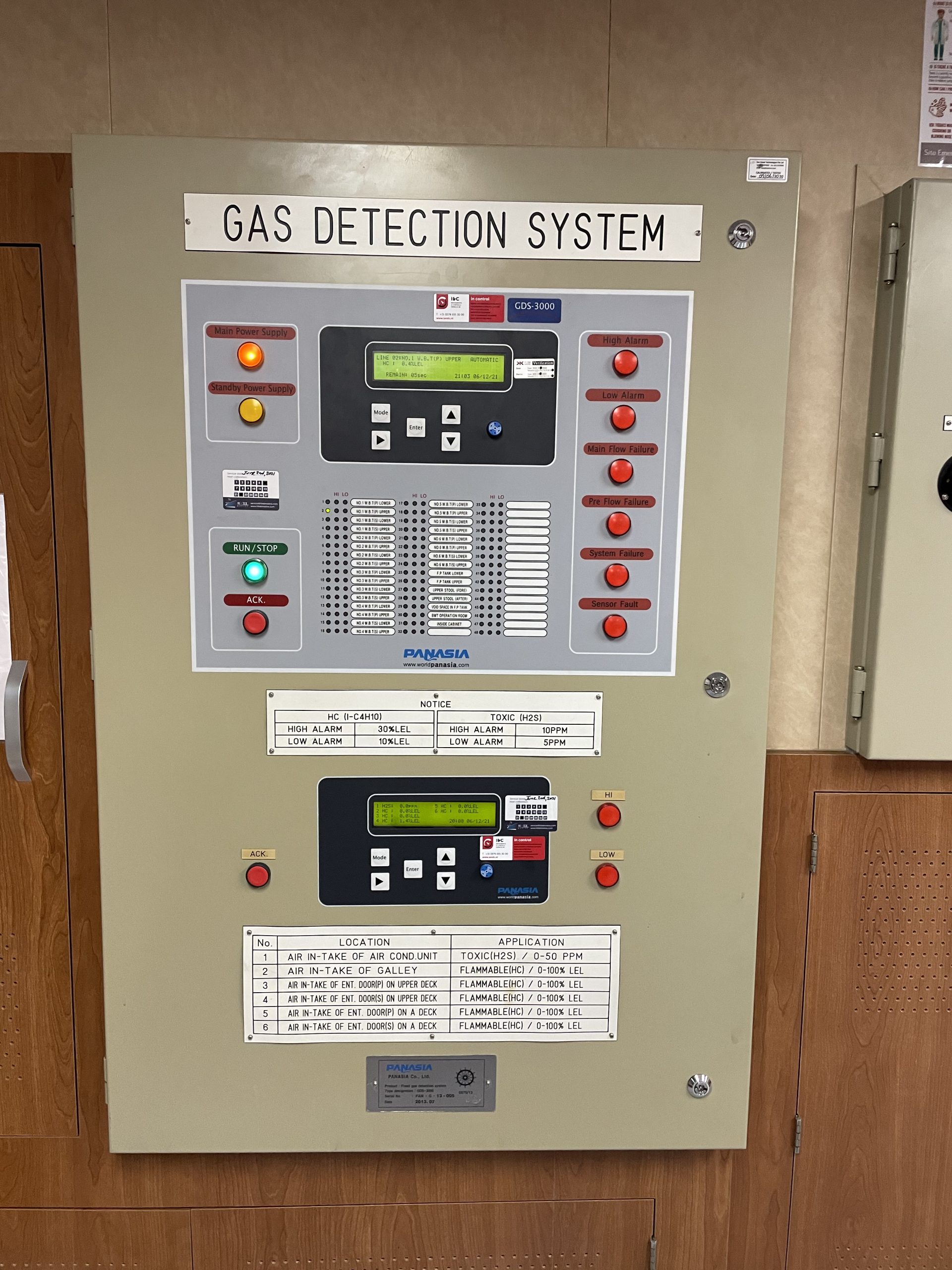
Calibration Service at The Ports of Alceciras, Gibraltar, Huelva, Cartagena, Barcelona for Panasia GDS3000 gas detection system service

Fixed gas detection channels are tested onboard.

With the Panasia GDS-3000 and professional onboard service you stay compliant, protected, and operational.

The Panasia GDS-3000 Pump Room & Water Ballast Tank Gas Sampling Detection System is designed to protect crew, vessel, and cargo by continuously monitoring hazardous gases in critical enclosed spaces. Built for demanding marine environments, the GDS-3000 provides dependable detection that supports safe ballast and pump room operations on all vessel types.
According to Panasia’s own product philosophy, the system is engineered to deliver stable gas monitoring even under harsh shipboard conditions, while offering clear alarms and easy operation for ship staff features that reduce response time and improve onboard safety culture. In simple terms, the GDS-3000 is made to work reliably at sea, not just in ideal conditions.
From the technical documentation, the system draws gas samples from multiple locations through dedicated sampling lines and analyzes them centrally for flammable and toxic gases before risks escalate. This functional design allows early detection in ballast tanks and pump rooms where manual measurement is difficult or unsafe.

Our service scope includes: calibration, repair, and commissioning, all available on board, minimizing downtime and ensuring compliance without disrupting vessel schedules.

We provide service coverage across major European and Mediterranean ports, including Spain, Gibraltar, Bulgaria, Turkey, Romania, the Netherlands, France, Germany, Italy, Portugal, Greece, Malta, Cyprus, and key ports such as Algeciras, Barcelona, Rotterdam, Hamburg, Marseille, Genoa, Piraeus, Istanbul, Valletta, Limassol, and many more.
Regulations & Compliance Under IMO ISM Code, SOLAS, and SIRE 2.0, GVP requirements, gas detection systems must be properly maintained and regularly calibrated to ensure accuracy and reliability. Calibration is mandatory as per manufacturer instructions and Class or Flag requirements, with a recommended period typically every 6 to 12 months, or more frequently if operating conditions demand it.

Continue Reading →
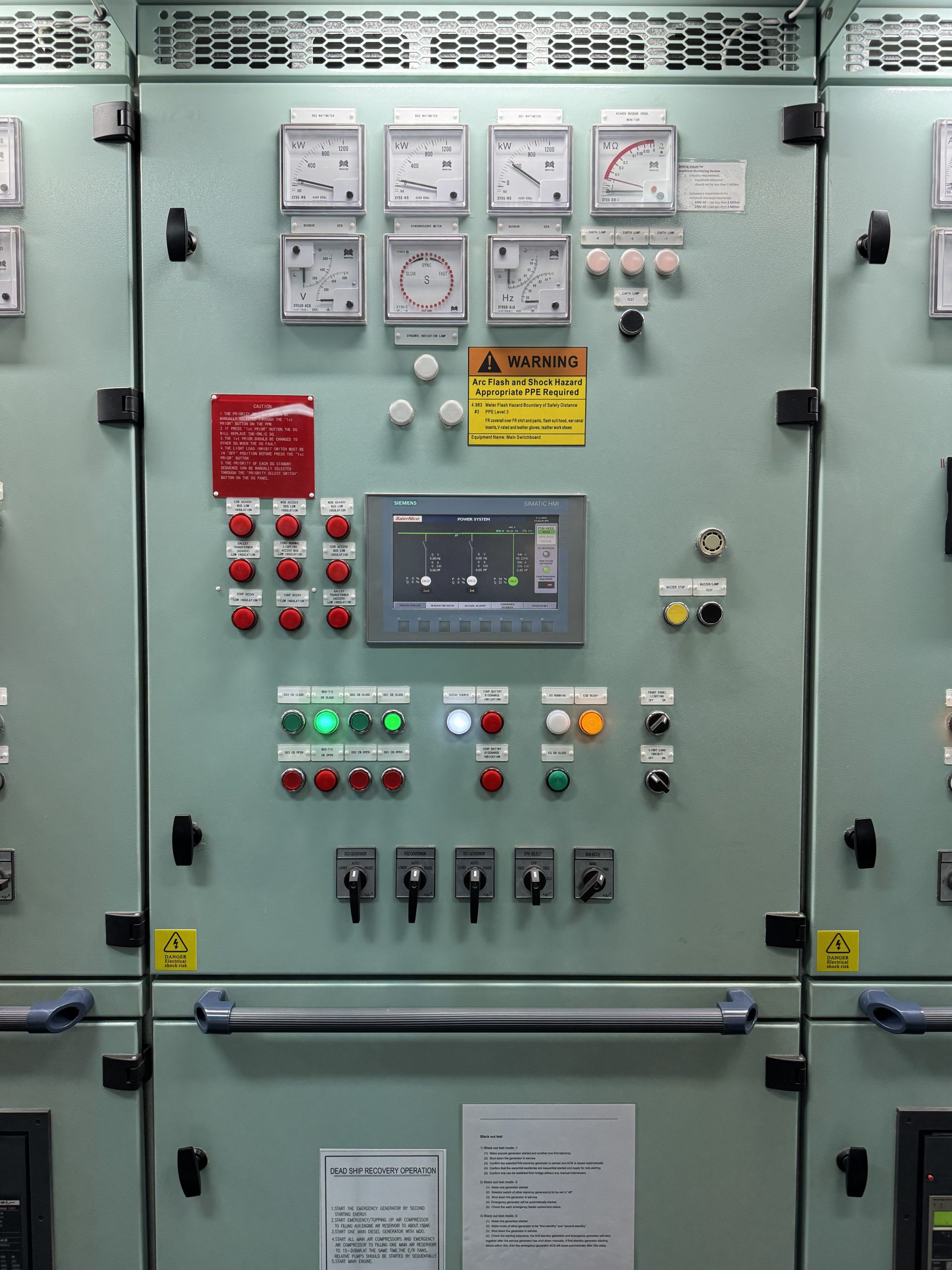
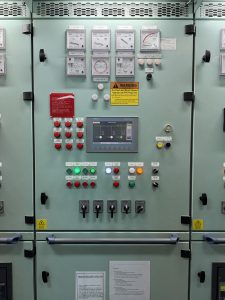
Marine power management system control panel showing load sharing meters, synchronization gauges, alarms, and control switches during inspection and fault recovery.

Marine Power Management System load sharing and synchronization panel inspected during repair, communication recovery, and health check.

Power management on board starts with reliable monitoring and the Saier Nico PPU PMS PPM delivers exactly that.

The PPU PMS PPM Power Plant Monitoring, Protection and Control System by Saier Nico is a trusted solution designed to ensure safe, efficient, and uninterrupted operation of marine and industrial power plants. Engineered for demanding environments, this system combines advanced monitoring, intelligent protection, and precise control in one integrated platform.

According to the manufacturer, the system is designed to provide centralized supervision of power generation and distribution while ensuring operational safety, and it supports flexible system configurations to match different vessel and plant requirements. In practical terms, this means operators gain clear visibility of their power plant status, faster fault response, and improved overall reliability.

From the technical documentation and datasheet, the PPU PMS PPM is described as continuously monitoring electrical parameters such as voltage, frequency, load, and power balance, while also automatically executing protection and control functions to prevent blackouts and equipment damage. These features are critical for maintaining compliance and operational continuity at sea.

Our service scope includes calibration, repair, and commissioning, all available on board, minimizing downtime and ensuring the system performs within manufacturer specifications.

Service Coverage

We provide support across Spain, Gibraltar, Bulgaria, Turkey, Romania, the Netherlands, France, Germany, Italy, and major ports including Ceuta, Algeciras, Barcelona, Valencia, Bilbao, Marseille, Rotterdam, Antwerp, Hamburg, Genoa, Naples, Piraeus, Istanbul, Valletta, Limassol, and many more throughout Europe and the Mediterranean.

Regulatory Compliance

Under IMO ISM Code, SOLAS, SIRE 2.0, and GVP marine requirements, critical monitoring and protection systems must be maintained in calibrated and operational condition. Industry best practice and manufacturer recommendations typically call for annual calibration or verification, or more frequently if required by vessel operations or inspection findings.

Continue Reading →
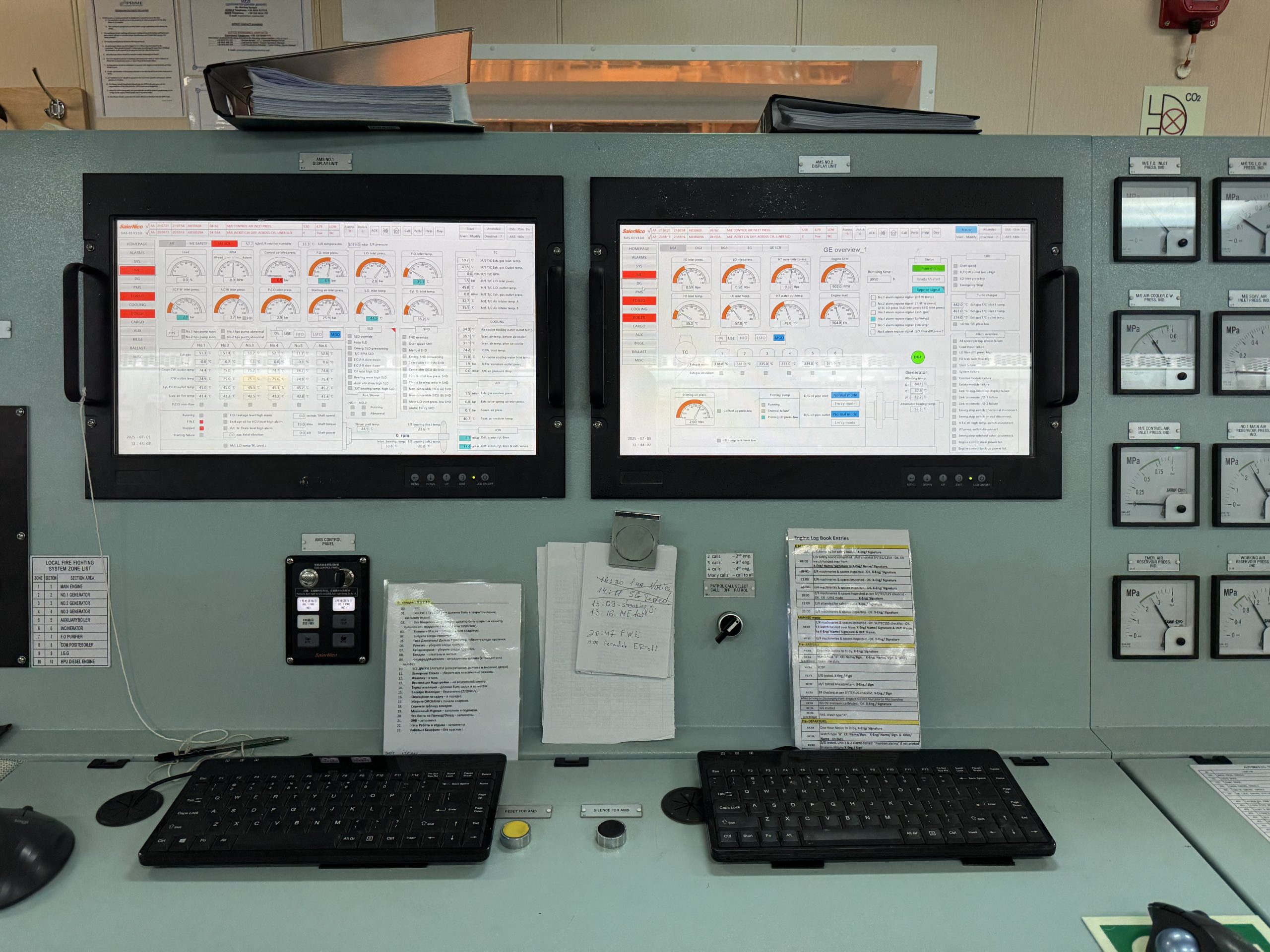
Marine alarm control system with dual operator screens showing engine and alarm status during calibration and system health check on board a vessel.

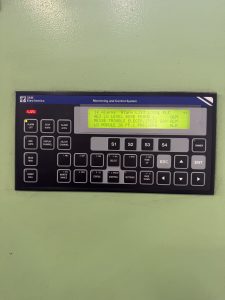
Marine alarm and monitoring system calibration and communication recovery performed on board, ensuring full compliance and operational reliability.

We are servicing Saier Nico UMS IAS IACS Alarm Monitoring and Control System  ensuring compliant, reliable, and safe unmanned engine room operations worldwide.

The Saier Nico UMS Alarm System IAS IACS is a robust and proven solution designed to support safe and compliant unmanned machinery space (UMS) operations on board commercial vessels. Built as a fully integrated Alarm, Indication, and Control System (IACS), it delivers continuous monitoring, intelligent alarm handling, and centralized machinery control.

According to the manufacturer, the system is designed to provide reliable supervision of all critical machinery parameters while supporting efficient vessel operation. In simple terms, this means engineers and officers can trust the system to detect, record, and alert them to any abnormal condition before it becomes a serious issue. Saier Nico also emphasizes high system availability and modular expandability, allowing the IAS to adapt easily to different vessel types and operational needs.

From the technical documentation, the system offers centralized alarm processing with visual and audible indication, ensuring no critical alert is missed. It also supports redundant architecture and event logging, providing traceability and reliability that modern classification societies expect.

Calibration, repair, and commissioning services are available on board, minimizing downtime and ensuring systems remain compliant and accurate throughout their lifecycle.

Service Scope

Calibration, Repair, Commissioning, Sensor Verification, Communication fail scope and recovery

Service Coverage

Spain, Gibraltar, Bulgaria, Turkey, Romania, Netherlands, France, Germany, Italy, Portugal, Greece, Malta, Cyprus, Belgium, and major ports including Algeciras, Valencia, Barcelona, Marseille, Rotterdam, Hamburg, Genoa, Piraeus, Istanbul, Constanța, Valletta, Limassol, and many more across Europe and the Mediterranean.

Regulatory Compliance

Under IMO SOLAS Chapter II-1, ISM Code, SIRE 2.0, and GVP requirements, alarm and monitoring systems forming part of UMS and IAS/IACS installations must be properly maintained and calibrated. Industry best practice and class guidance recommend annual calibration, or in accordance with manufacturer instructions and class survey intervals.

The Saier Nico UMS IAS IACS, including integration with systems such as MCS 2200 Monitoring and Control System, ensures vessels remain safe, compliant, and operational at all times.

Continue Reading →
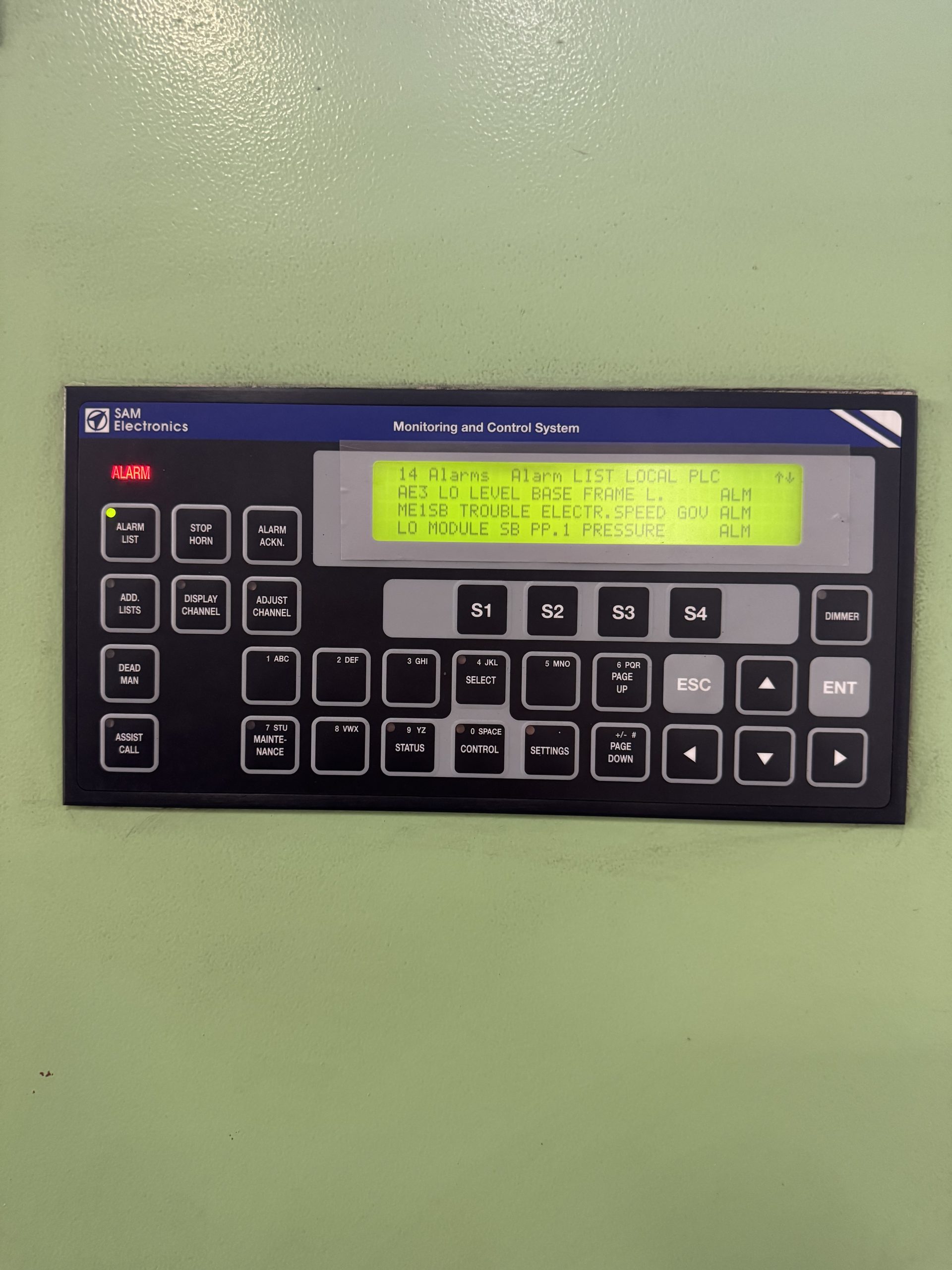
UCS2100 Lyngsø Local Operation Panel repaired and recommissioned onboard at Outstation N2, restoring alarm communication and network functionality.

Restoring reliable alarm communication on UCS2100 Lyngsø systems through expertise LOP repair and commissioning.

Restoring alarm communication on UCS2100 Lyngsø system LOP repair and commissioning. 

Reliable alarm systems are critical for safe vessel operation, and even small configuration errors can lead to serious visibility issues. During a recent onboard service at Outstation N2, our engineers carried out a repair and commissioning service on a UCS2100 Lyngsø Local Operation Panel (LOP) that was reporting a Network Timeout Fault.

Although active alarms were present elsewhere in the system, the LOP was not displaying any alarms. Our investigation identified a communication failure between the outstation and the central alarm system. The root cause was an incorrectly configured serial port address, preventing proper data exchange.

After re commissioning the communication parameters and correcting the serial port configuration according to system specifications, the LOP immediately returned to normal operation. Alarm indications were restored and fully synchronized with the main alarm panel and. No further communication faults were observed, and the system is now operating as intended.

Lyngsø alarm systems are designed to provide clear, centralized alarm monitoring and reliable communication between distributed panels, ensuring that operators receive accurate and timely information. When properly configured, the UCS2100 platform supports safe navigation and compliance with international maritime regulations.

We provide onboard calibration, repair, and commissioning services, ensuring alarm and monitoring systems remain fully operational and compliant throughout a vessel’s operational life.

Lyngsø systems are engineered to deliver dependable alarm handling across all vessel control points, ensuring operators maintain full situational awareness at all times.

The UCS2100 platform is built for seamless integration between central and local panels, supporting safe and efficient ship operations.

Regulatotions

Under IMO ISM Code and SOLAS Chapter II-1 & V, alarm and monitoring systems must be maintained, tested, and calibrated to ensure correct operation at all times.
SIRE 2.0 further emphasizes verification of alarm functionality, visibility, and system integrity during inspections.

Service Coverage

Our marine service engineers are available in Spain, Gibraltar, Bulgaria, Turkey, Romania, the Netherlands, France, Germany, and Italy, with port coverage including major hubs such as Algeciras, Barcelona, Rotterdam, Hamburg, Marseille, Genoa, Istanbul, Piraeus, Constanța, Valletta, and Limassol, among many others.


Continue Reading →
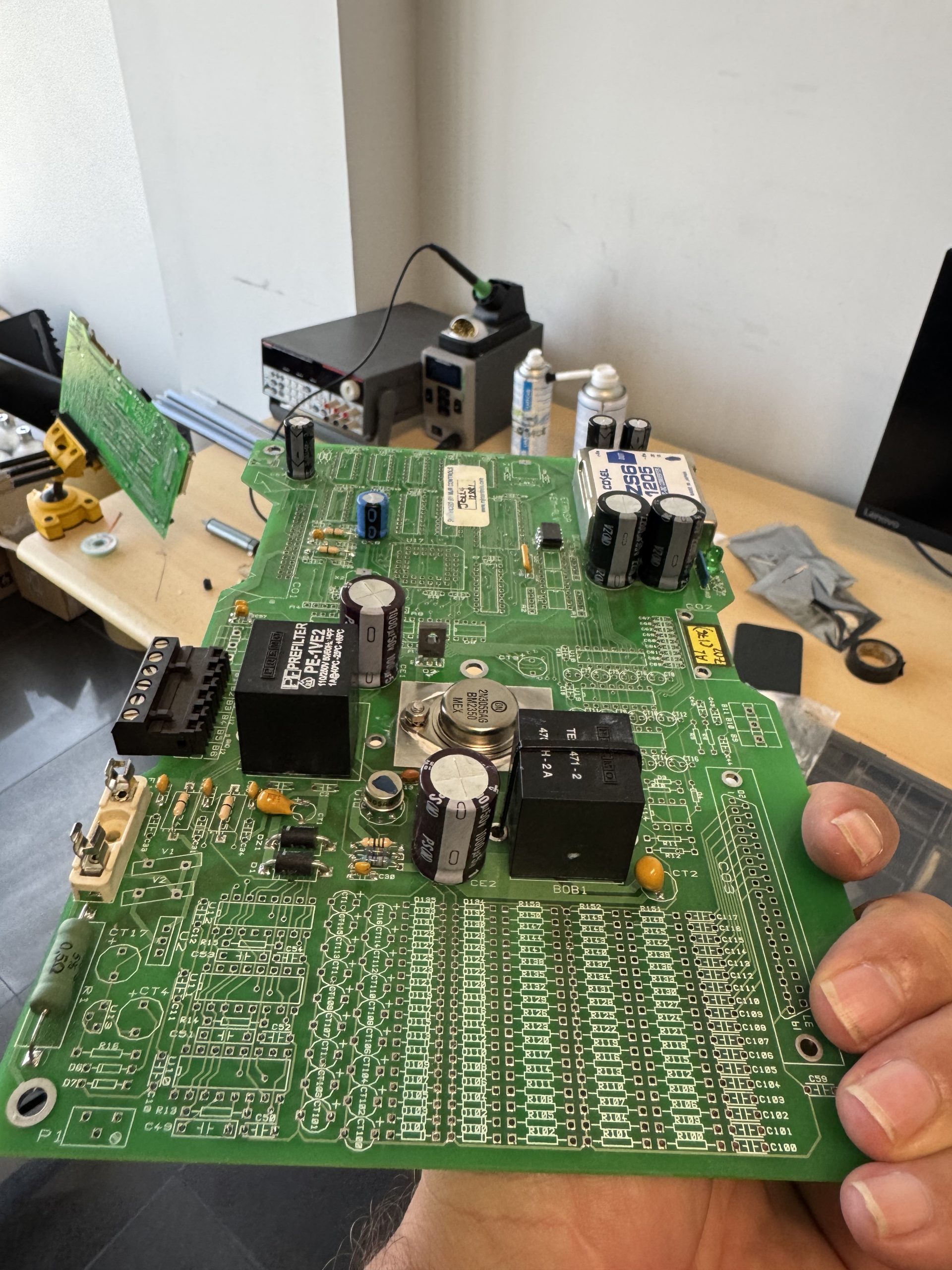
Repaired marine electronic control PCBs including power supply, digital I/O, and CPU boards undergoing testing after component replacement.

Precision PCB repair and testing for marine electronic systems restoring stability, performance, and long-term reliability.

Electronic systems are critical for safe and efficient vessel operation. Our latest board level repair project focused on restoring full functionality and long-term stability across multiple PCBs used in a marine electronic control unit.

The power supply PCB was repaired by replacing a faulty DC/DC converter that previously failed under a 0.3A load. After repair, the board was tested and confirmed stable while supporting loads up to 0.8A. The newly installed DC/DC converter is rated for up to 2A, providing significant operational headroom and improved reliability for future service conditions.

The digital input/output PCB underwent a complete capacitor replacement to address age-related degradation. Post-repair testing confirmed stable load handling and correct logic behavior across all channels. This preventative upgrade ensures consistent signal processing and extends the operational lifespan of the board under normal working conditions.

The CPU PCB was also repaired with a full capacitor replacement to improve system stability. Testing verified reliable performance; however, correct operation depends on installing the original EEPROM chips from the vessel’s unit. Using non-original EEPROMs can result in address conflicts, communication errors, or complete system malfunction.

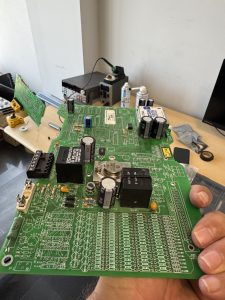
Repaired marine electronic control and power supply PCBs including power supply, digital I/O, and CPU boards undergoing testing after component replacement.

Precision Power Supply PCB repair and testing for marine electronic systems restoring stability, performance, and long-term reliability.

We provide calibration, repair, and commissioning services on board, supporting vessels across Spain, Gibraltar, Bulgaria, Turkey, Romania, the Netherlands, France, Germany, and Italy, including major ports such as Rotterdam, Hamburg, Marseille, Genoa, Barcelona, Istanbul, Piraeus, Antwerp, Lisbon, and Valletta.

Compliance & Calibration

Under IMO SOLAS, ISM Code, SIRE 2.0, and GVP marine inspection requirements, electronic safety and control equipment must be maintained in calibrated and fully operational condition. Calibration and functional verification are typically required annually or as per manufacturer recommendation, and always after repair or component replacement.

Precision repairs today prevent failures tomorrow and keep vessels compliant, safe, and operational.

Continue Reading →

Kangrim marine boilers are designed to deliver stable steam output for demanding shipboard operations while maintaining safe water level control under all load conditions.
The automatic level control system plays a critical role in protecting the boiler and supporting efficient daily vessel operation.

Regulatory Requirement Summary

IMO ISM Code, SOLAS, SIRE 2.0, and GVP guidelines require critical boiler safety and control devices to be maintained, tested, and calibrated as part of the planned maintenance system. Automatic level control valves must be verified at regular intervals to ensure safe boiler operation and prevent low or high water level incidents.
Recommended calibration and functional testing period is every 12 months or during major boiler maintenance, dry dock, or when operational deviations are observed.

Boiler water level control is essential for the safe operation of any marine vessel. The automatic level control valve on a Kangrim marine boiler plays a key role in protecting the boiler from low water conditions, overheating, and unnecessary shutdowns. When this system is not properly calibrated or maintained, it can lead to alarms, reduced efficiency, and serious safety risks.
Our team provides professional on board repair, calibration, and commissioning services for Kangrim marine boiler automatic level control valves. We support ship owners, managers, and operators by restoring correct boiler performance and ensuring compliance with international marine regulations. All work is carried out by experienced marine engineers using approved procedures and functional testing methods.
During service, we inspect the control valve, sensors, and associated control loops, verify response under operating conditions, and perform calibration to ensure stable water level control. Commissioning includes functional testing, alarm verification, and documentation suitable for audits and inspections.
Our on board service coverage includes major ports across Europe and the Mediterranean, allowing fast response and reduced downtime for vessels in operation. Whether the requirement is routine maintenance, troubleshooting, or post repair commissioning, we deliver dependable support directly on board.
Regular calibration of boiler level control systems is not only a regulatory requirement under IMO ISM, SOLAS, and SIRE 2.0 standards, but also a practical step to protect equipment and crew. Keeping these systems in proper working condition helps extend boiler life, improve operational stability, and avoid costly failures.
Contact us to schedule on board service for your Kangrim marine boiler level control system and keep your vessel operating safely and efficiently.

Available Services

Calibration, repair, and commissioning service is available on board in the following locations.

Countries
Spain, Gibraltar, Bulgaria, Turkey, Rumania, Netherlands, France, Germany, Italy
Ports
Algeciras, Valencia, Barcelona, Tarragona, Cartagena, Bilbao, Gijón, A Coruña, Vigo, Las Palmas, Santa Cruz de Tenerife, Arrecife, Lisbon, Sines, Leixões, Setúbal, Marseille, Le Havre, Dunkirk, Nantes Saint Nazaire, Antwerp, Zeebrugge, Rotterdam, Amsterdam, Hamburg, Bremerhaven, Wilhelmshaven, Genoa, La Spezia, Livorno, Venice, Trieste, Naples, Taranto, Gioia Tauro, Piraeus, Thessaloniki, Heraklion, Constanța, Mangalia, Varna, Burgas, Istanbul, Izmir, Mersin, Gemlik, Ambarli, Koper, Rijeka, Split, Valletta, Limassol, Larnaca

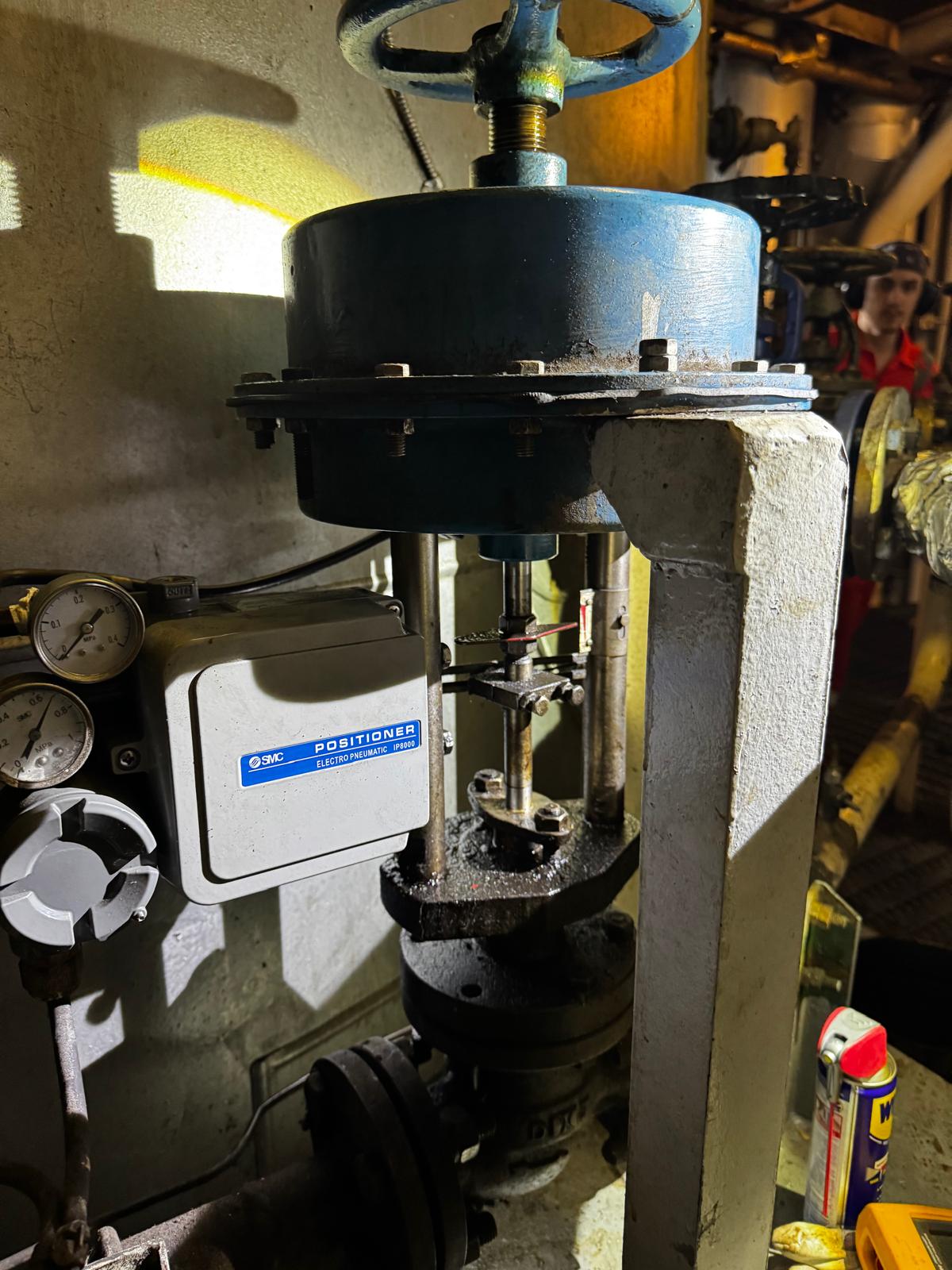
Calibration of Pneumatic Valve Actuator for Kangrim Marine Boiler
Petrik Naval - Repair and Commissioning of Kangrim Marine Boiler Burner System
Petrik Naval - Marine Boiler Burner Repair and Functional Commissioning (Kangrim)
Continue Reading →

Calibration Service at The Ports of Algeciras, Gibraltar, Huelva, Cartagena, Barcelona for Ocean Guard BWMS sensor calibration onboard

Calibration Service at The Ports of Algeciras, Gibraltar, Huelva, Cartagena, Barcelona for Headway TRO chlorine online measurement checks onboard

Ballast water treatment systems depend on reliable TRO measurement to operate correctly and stay compliant. The Headway Ocean Guard TRO CLX inline chlorine and salinity meter plays a key role in monitoring disinfectant levels during ballast operations. Like all critical BWMS instruments, it requires regular calibration, proper commissioning, and professional repair when issues arise.

We provide on board calibration, repair, and commissioning services for chlorine and salinity Headway Ocean Guard TRO CLX units, delivered directly to your vessel by experienced marine technicians. Our service supports vessel operators, ship managers, and technical departments looking to maintain system performance and reduce downtime.

Calibration ensures that TRO and salinity readings remain within manufacturer and regulatory expectations. Commissioning confirms correct installation, sensor response, and integration with the BWMS control system. Repair services address sensor drift, signal faults, and component wear that can affect system operation.

Our teams are available across Spain, Gibraltar, Bulgaria, Turkey, Romania, the Netherlands, France, Germany, and Italy. We attend vessels in key ports including Algeciras, Valencia, Barcelona, Rotterdam, Antwerp, Hamburg, Marseille, Genoa, Piraeus, Istanbul, Varna, Constanța, Valletta, Limassol, and many more throughout Europe and the Mediterranean.

Marine regulations under IMO ISM, SOLAS, SIRE 2.0, and GVP require measuring and monitoring equipment related to safety and pollution prevention to be maintained and calibrated at regular intervals. Industry practice and manufacturer guidance typically recommend calibration at least every 12 months, or sooner if system performance is affected.

With flexible port coverage and on board service capability, we help keep your Headway Ocean Guard TRO CLX ready for inspections, audits, and daily operation.

Continue Reading →