Posts filed under: Gas Detection

Gas Detection

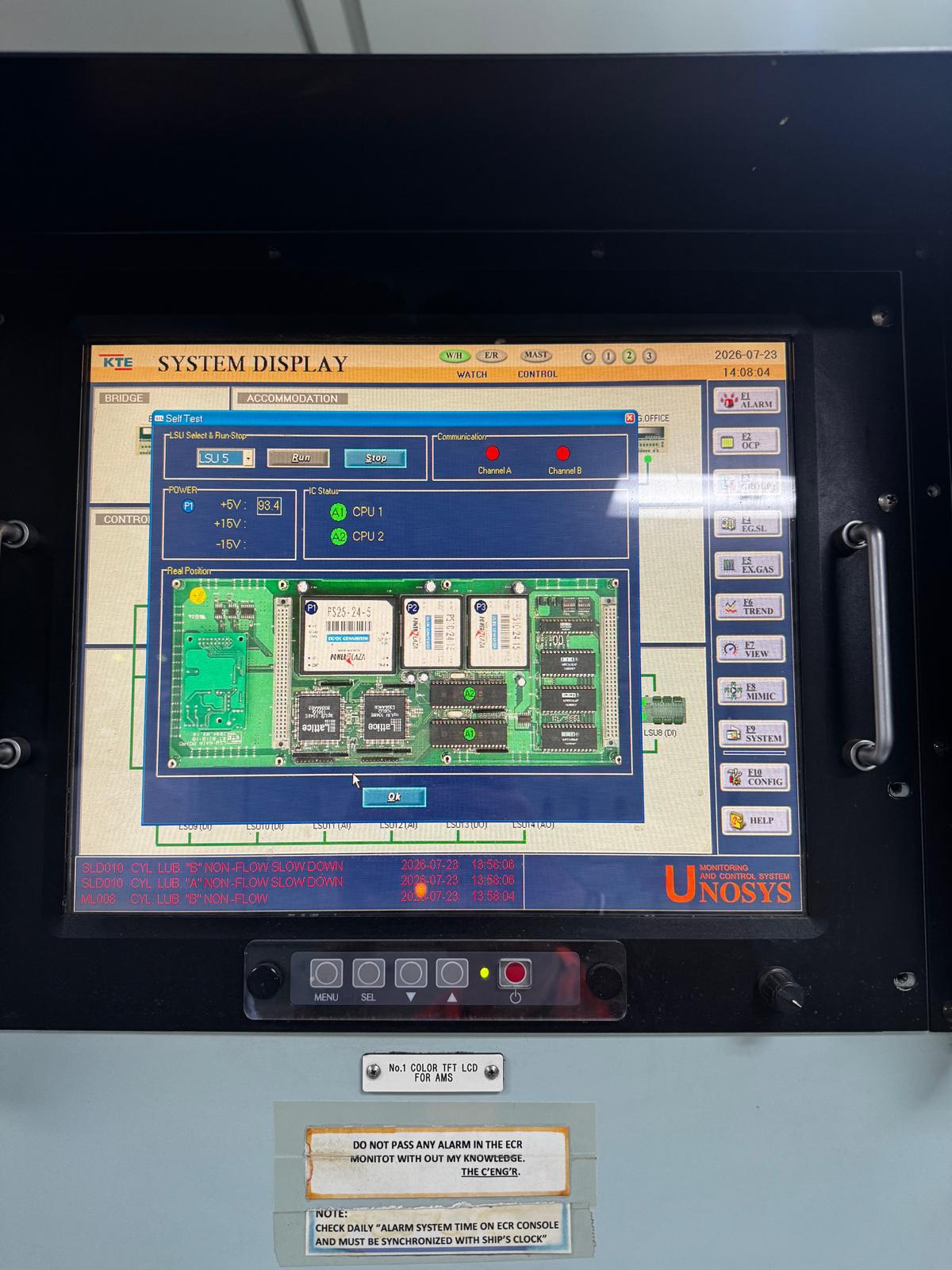
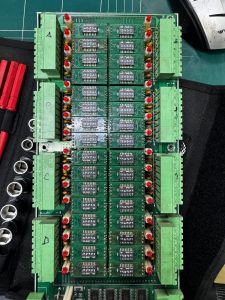
KTE UNOSYS Digital and Analog Communication LSU Repair Services

The UNOSYS Control and Monitoring System relies on stable digital and analog communication between Local Signal Units (LSUs), field sensors, actuators, and the central monitoring network. A faulty LSU can lead to communication loss, incorrect sensor readings, alarm failures, or equipment malfunction, affecting the reliability of the entire automation system.

Our marine automation engineers provide onboard fault investigation, troubleshooting, repair, testing, and commissioning for UNOSYS LSU communication failures, minimizing vessel downtime and restoring full operational performance.

Common UNOSYS LSU Communication Faults

Digital communication loss between LSUs and central controller, analog input signal failure (4-20 mA, 0-10 V), intermittent communication errors, sensor value instability, communication timeout alarms, damaged communication interfaces, faulty I/O modules, wiring and terminal faults, power supply failures, grounding and electrical noise issues, configuration and parameter errors, PCB electronic failures, communication protocol faults, damaged connectors and cable shielding.

Our UNOSYS Repair Services

Digital communication diagnostics, analog signal verification and calibration, LSU fault investigation, PCB electronic repair, I/O module testing, communication bus analysis, power supply verification, sensor input validation, output signal testing, firmware and parameter verification, communication network troubleshooting, cable and connector inspection, onboard commissioning, functional testing, preventive maintenance.

Supported Communication Interfaces

RS-232, RS-422, RS-485, LonWorks, analog 4-20 mA loops, 0-10 V ON/OFF analog signals, digital inputs and outputs, relay outputs, serial communication interfaces.

Why Choose Our Service

Experienced marine automation engineers, rapid onboard troubleshooting, component-level electronic repair, advanced diagnostic instruments, minimized vessel downtime, worldwide onboard attendance, complete functional testing after repair, support for legacy and modern UNOSYS systems.

Service Ports

Malta, Istanbul, Major French Ports, Major Spanish Ports, Canary Islands, Balearic Islands.

Continue Reading →

Professional Repair and Calibration of SAM Electronics Alarm & Automation Systems

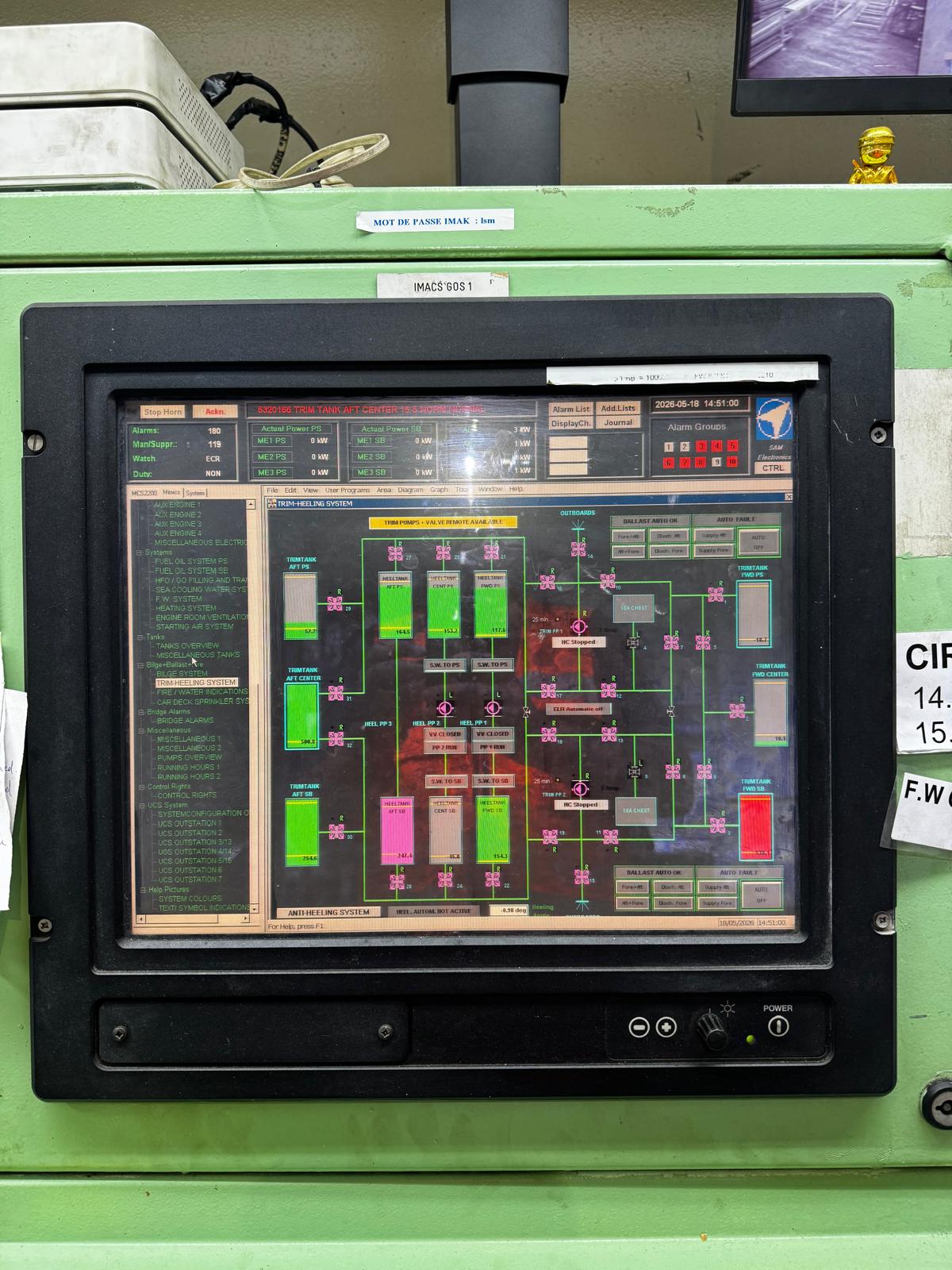
Accurate ballast water tank level monitoring is essential for safe vessel operation, trim control, stability management, and cargo planning. A malfunctioning SAM Electronics Alarm and Automation System can generate false alarms, inaccurate tank level indications, communication failures, or complete loss of monitoring. Our experienced marine automation engineers provide onboard repair, calibration, troubleshooting, commissioning, and sensor replacement for SAM Electronics Integrated Automation Systems (IAS) and ballast water tank level sensors, restoring reliable performance while ensuring compliance with class and operational requirements.

Common SAM Electronics Ballast Water Tank Sensor Faults

Incorrect tank level indication, sensor drift, level transmitter failure, pressure sensor failure, float sensor malfunction, ultrasonic level sensor faults, radar level sensor faults, communication failures, analog signal errors (4-20 mA), broken cables, junction box faults, PLC input failures, HMI display errors, alarm failures, power supply faults, corrosion of level sensors, blocked pressure impulse lines, software configuration errors, calibration drift, intermittent sensor readings.

Our SAM Electronics Repair and Calibration Services

Ballast water tank sensor calibration, tank level transmitter calibration, pressure transmitter calibration, ultrasonic sensor calibration, radar level sensor calibration, alarm system diagnostics, IAS troubleshooting, PLC diagnostics, analog and digital signal verification, 4-20 mA loop testing, communication diagnostics, cable continuity testing, sensor replacement, junction box repair, HMI diagnostics, software parameter verification, alarm testing, function testing, commissioning, preventive maintenance, emergency onboard attendance.

Why Ballast Water Tank Sensor Calibration Is Important

Correct ballast tank level indication is essential for vessel stability, trim control, ballast operations, cargo planning, and alarm reliability. Regular calibration minimizes sensor drift, prevents false alarms, improves automation system accuracy, reduces troubleshooting costs, supports class inspections, and extends the service life of instrumentation.

Service Ports

Malta, Istanbul, Major French Ports, Major Spanish Ports, Canary Islands, Balearic Islands.

Why Choose Our Engineers

Experienced marine automation engineers, onboard diagnostics and repair, certified calibration equipment, fast troubleshooting, commissioning support, preventive maintenance, emergency attendance, worldwide service, reduced vessel downtime.

Continue Reading →

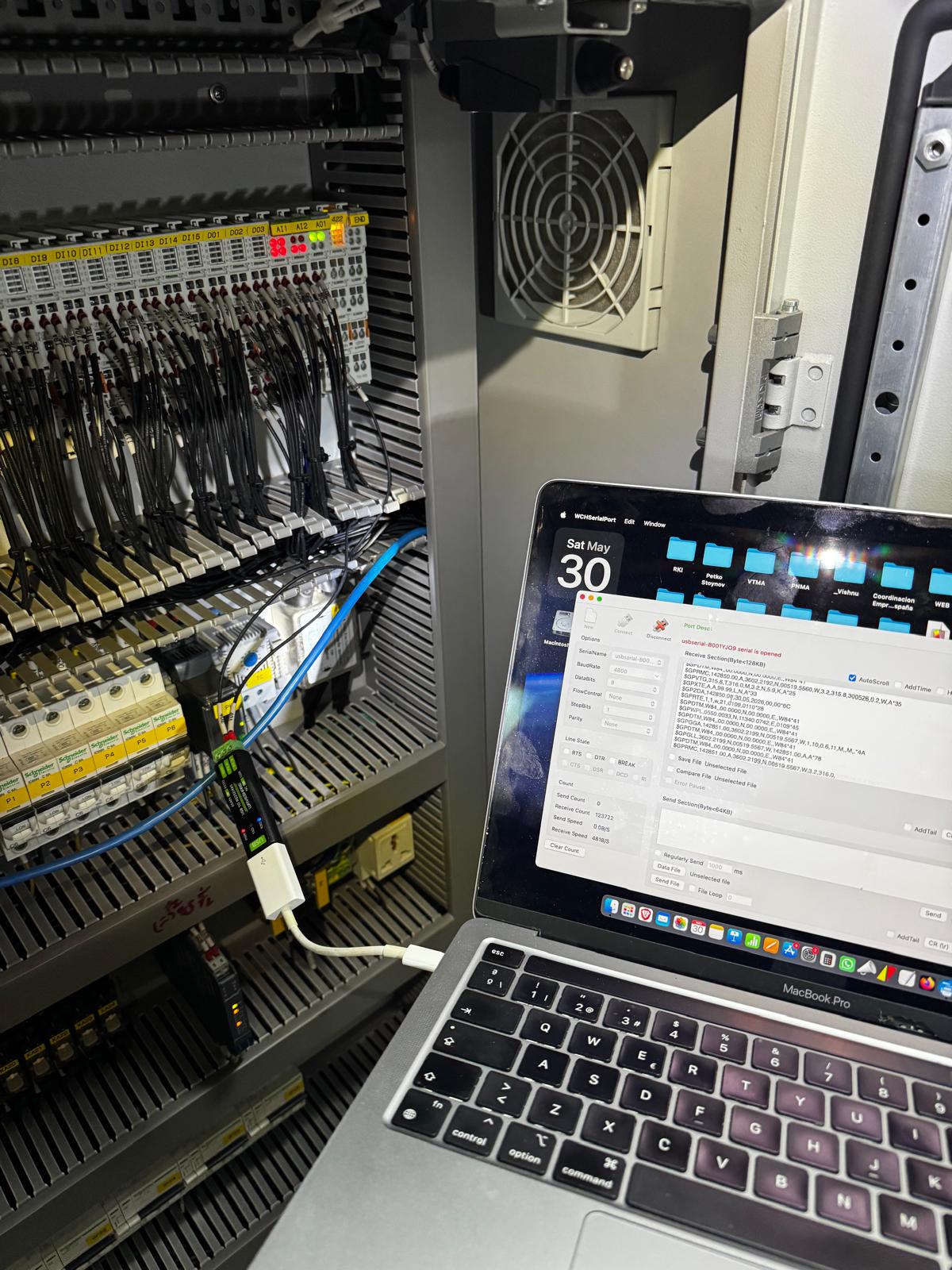
GPS signal lost or unavailable, no GPS position displayed on HMI, invalid latitude or longitude values, GPS antenna failure, damaged antenna cable, NMEA communication failure, serial communication errors (RS232, RS422, RS485), incorrect GPS configuration, power supply faults, software communication issues, alarm reset after power cycle only, intermittent GPS reception.

Cyeco BWMS GPS Repair Services include

GPS signal diagnostics, GPS antenna inspection and replacement, GPS receiver testing, NMEA communication verification, serial communication troubleshooting, cable continuity testing, power supply inspection, PLC input/output verification, software parameter verification, alarm diagnostics, full function testing, sensor verification, commissioning after repair, preventive maintenance, emergency onboard attendance.

Why Repair the GPS Signal Immediately

Incomplete ballast water operation records, regulatory non-compliance, failed inspections, incorrect voyage logging, unexpected BWMS alarms, operational delays, increased maintenance costs.

Service Ports

Malta, Istanbul, Major French Ports, Major Spanish Ports, Canary Islands, Balearic Islands.

Why Choose Our Engineers

Experienced marine automation specialists, fast onboard troubleshooting, advanced diagnostic equipment, worldwide attendance, commissioning and functional testing, support during vessel inspections, genuine replacement components where required, reduced vessel downtime.

Continue Reading →


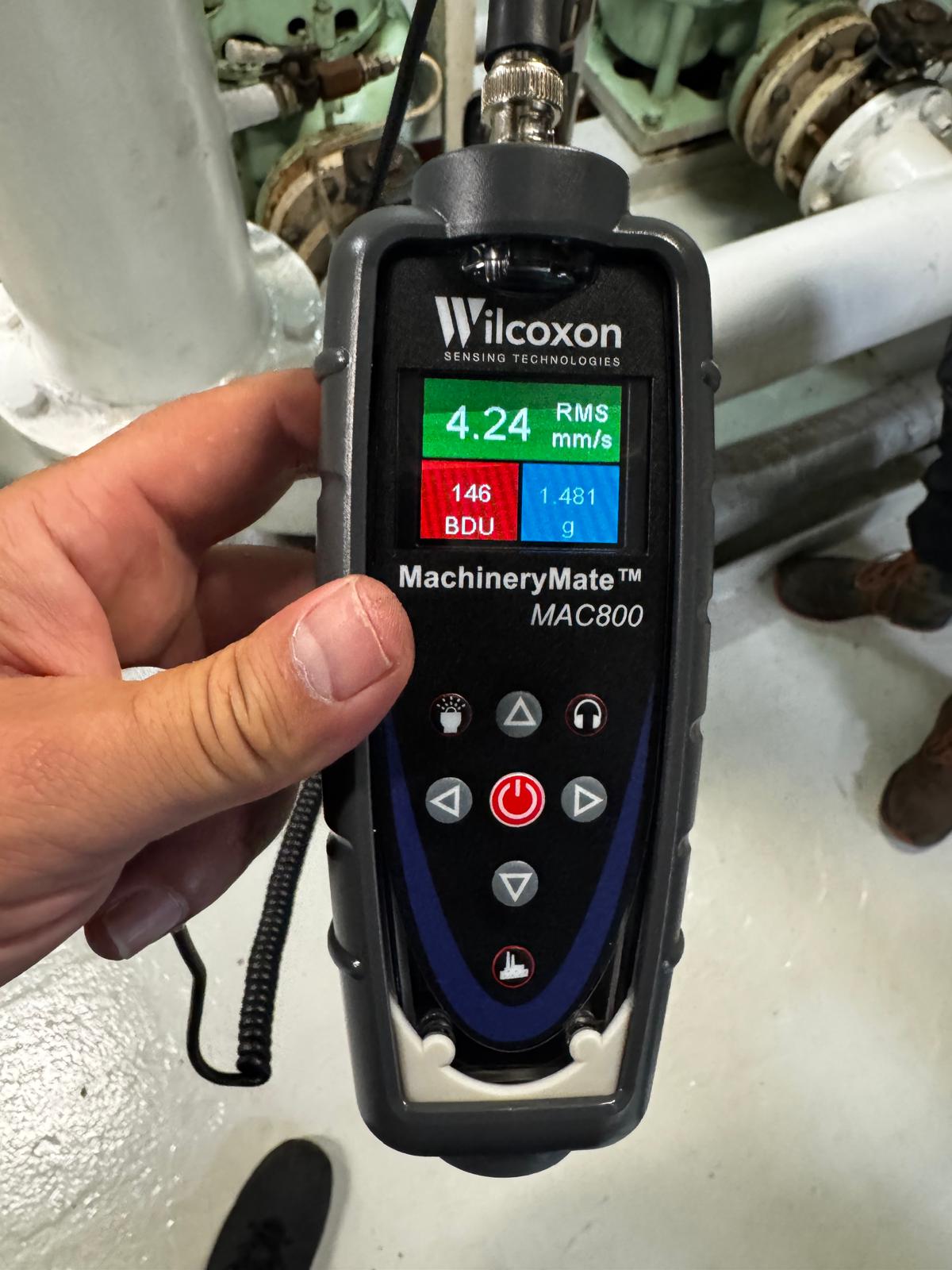
Why Vibration Measuring for Internal QA Is Important

Routine vibration monitoring allows operators to detect equipment deterioration long before it becomes a costly breakdown.

Benefits include:

Detect bearing wear at an early stage.
Identify shaft misalignment.
Verify coupling condition.
Detect mechanical looseness.
Identify rotor imbalance.
Monitor gearbox condition.
Detect cavitation in pumps.
Verify motor condition.
Improve maintenance planning.
Reduce unexpected downtime.
Extend machinery service life.
Improve overall fleet reliability.
Our Vibration Measuring Services

Our internal QA vibration inspection includes:

Vibration measurements, vibration trend analysis, bearing condition assessment, shaft alignment verification, imbalance detection, gearbox vibration analysis, pump vibration diagnostics, fan vibration analysis, motor condition assessment, resonance investigation, troubleshooting, condition monitoring, predictive maintenance support, maintenance recommendations, detailed inspection reports.

Machinery We Inspect

We perform vibration measurements on:

Main engines
Auxiliary engines
Diesel generators
Electric motors
Pumps
Centrifugal pumps
Cargo pumps
Ballast pumps
Fire pumps
Hydraulic power units
Compressors
Blowers
Fans
Gearboxes
Separators
Shaft lines
Bow thrusters
Stern thrusters
HVAC equipment
Common Problems Detected

Our vibration analysis can identify:

Bearing defects
Rotor imbalance
Shaft misalignment
Mechanical looseness
Bent shafts
Gear wear
Coupling defects
Cavitation
Soft foot
Structural resonance
Foundation problems
Electrical motor faults
Standards Used

Our vibration assessments follow internationally recognized practices, including:

ISO 20816
ISO 10816 (legacy reference where applicable)
Manufacturer recommendations
Internal QA procedures
Predictive maintenance best practices
Service Ports

Malta, Istanbul, Major French Ports, Major Spanish Ports, Canary Islands, Balearic Islands.

Why Choose Our Engineers
Experienced marine automation engineers
Professional vibration measuring equipment
Fast onboard attendance
Practical maintenance recommendations
Detailed reporting
Early fault detection
Reduced maintenance costs
Minimized vessel downtime
Support for planned maintenance systems
Worldwide marine service experience
Frequently Asked Questions
How often should vibration measurements be performed?

For critical rotating equipment, annual measurements are recommended as a minimum. High-duty machinery may benefit from quarterly or monthly monitoring.

Can vibration measurements prevent machinery failures?

Yes. Trending vibration levels helps identify developing faults before they result in major failures or unplanned downtime.

Is the service performed onboard?

Yes. Our engineers perform all measurements onboard while the vessel is in port or during scheduled maintenance periods.

Do you provide recommendations after the inspection?

Yes. Every inspection includes analysis, findings, and practical maintenance recommendations based on the measured vibration data.

Continue Reading →

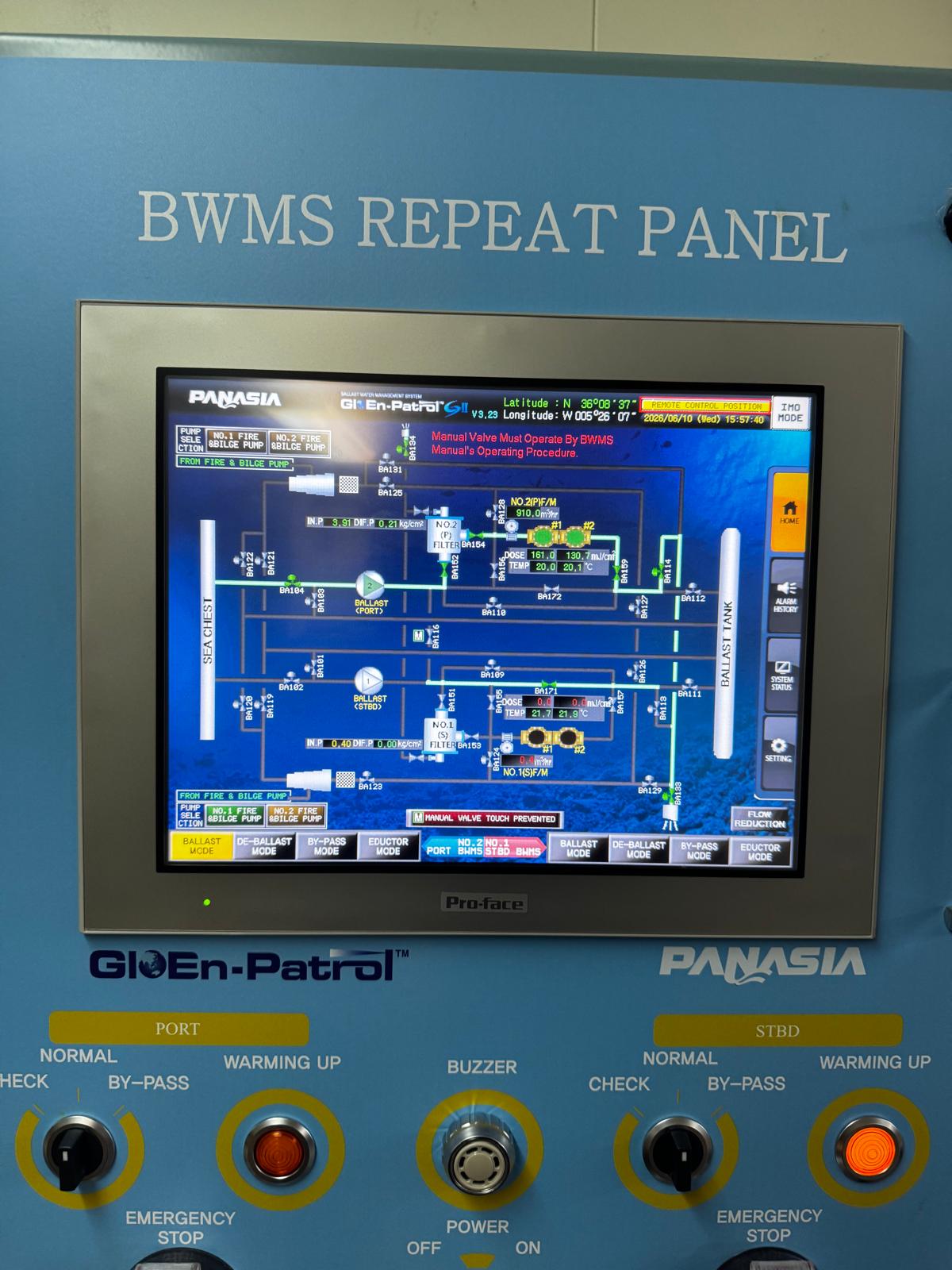
The annual calibration of the Panasia GloEn-Patrol BWTS UV reactor is essential to maintain regulatory compliance, reliable ballast water treatment performance, and uninterrupted vessel operations. Regular calibration verifies that UV intensity sensors, flow monitoring devices, control systems, and safety functions operate within manufacturer specifications. Combined with full function testing, sensor calibration, troubleshooting, and commissioning, annual maintenance helps prevent unexpected failures during inspections and Port State Control.

Our experienced marine engineers provide onboard calibration and service for Panasia GloEn-Patrol Ballast Water Treatment Systems throughout Malta, Istanbul, major French ports, major Spanish ports, Canary Islands, and Balearic Islands, minimizing vessel downtime while ensuring maximum operational reliability.

Why Annual Calibration of Panasia GloEn-Patrol BWTS UV Reactor Is Important

A Panasia GloEn-Patrol UV Ballast Water Treatment System relies on accurate measurements and stable UV reactor performance. Over time, sensor drift, fouling, electronic ageing, and harsh marine environments can affect system accuracy.

Annual calibration helps to:

Maintain reliable UV dose measurement.
Verify UV reactor operating performance.
Detect hidden faults before failures occur.
Reduce unexpected operational downtime.
Support successful Port State Control inspections.
Extend equipment service life.
Maintain manufacturer performance standards.

Our Panasia GloEn-Patrol BWTS UV Reactor Services

Our onboard service includes complete inspection, testing, calibration, and verification of the UV reactor and associated control systems.

Full Function Test

UV reactor operation, UV lamp performance, flow monitoring, alarm verification, automatic protection functions, PLC communication, control panel operation, data logging verification.

Sensor Calibration

UV intensity sensors, flow sensors, pressure sensors, temperature sensors, differential pressure transmitters, salinity monitoring devices, hydrogen (H₂) gas detectors.

All calibrations are performed using traceable calibration equipment to ensure accurate and repeatable results.

Troubleshooting

UV lamp failures, sensor communication faults, PLC and HMI alarms, flow-related issues, electrical and control system faults, UV reactor performance problems.

Commissioning

New installations, UV lamp replacement, major maintenance, software upgrades, component replacement, dry dock projects.

Compliance with International Regulations

Annual calibration supports compliance with international ballast water regulations, including:

IMO Ballast Water Management Convention
IMO G8 Guidelines
USCG Ballast Water Regulations (where applicable)
Flag State requirements
Port State Control inspections
Manufacturer maintenance recommendations

Proper calibration records help demonstrate continued system performance during vessel inspections.

Service Ports

We provide onboard Annual Calibration of Panasia GloEn-Patrol BWTS UV Reactor services at the following ports and maritime hubs:

Spain: Algeciras, Gibraltar Anchorage, Cádiz, Huelva, Málaga, Almería, Cartagena, Valencia, Castellón, Tarragona, Barcelona, Bilbao, Las Palmas de Gran Canaria, Santa Cruz de Tenerife, Palma de Mallorca.

France: Marseille, Fos-sur-Mer, Le Havre, Dunkirk, Nantes Saint-Nazaire, La Rochelle, Bordeaux.

Turkey: Istanbul.

Malta: Valletta, Malta Offshore Anchorage.

Why Choose Our Marine Engineers

Our engineers have extensive experience servicing Panasia GloEn-Patrol BWTS onboard tankers, bulk carriers, container ships, Ro-Ro vessels, and offshore units. We deliver fast onboard attendance, traceable calibration certificates, advanced diagnostics, and expert technical support to keep your ballast water treatment system fully compliant and operating at peak efficiency.

Continue Reading →

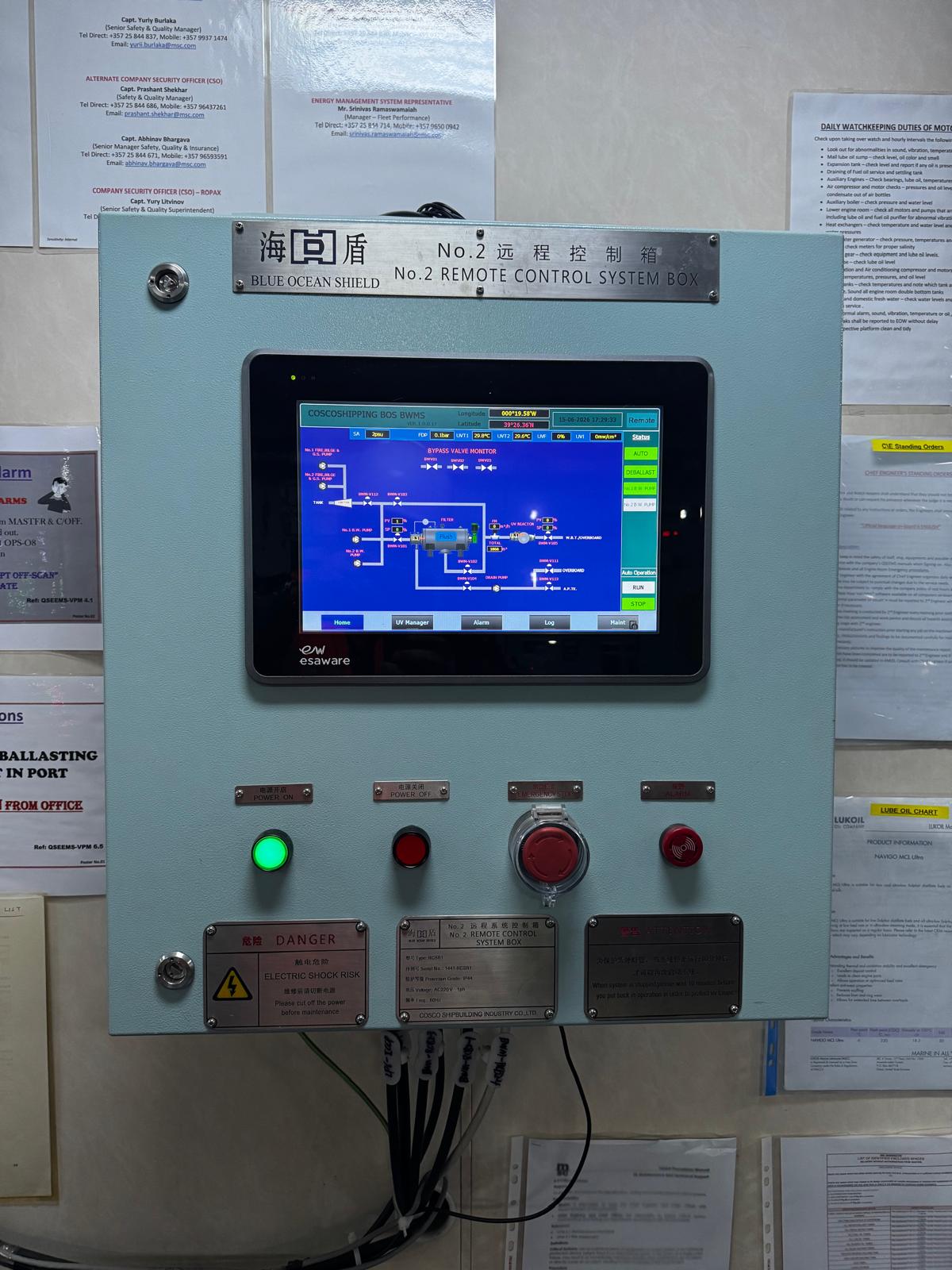
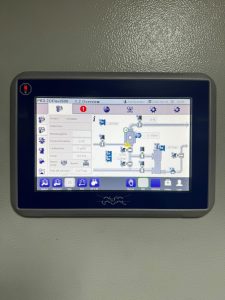
A maritime control panel of Blue Ocean Shield Remote Control System Box, featuring a digital touch screen displaying a ballasting valve monitor diagram, control buttons, and emergency stops during an annual BWMS calibration service.

The annual calibration of BWTS Blue Ocean Shield BOS from Coscoshipping UV reactor is essential to maintain regulatory compliance, reliable ballast water treatment performance, and uninterrupted vessel operations. Regular calibration verifies that UV intensity sensors, flow monitoring devices, control systems, and safety functions operate within manufacturer specifications. Combined with full function testing, sensor calibration, troubleshooting, and commissioning, annual maintenance helps prevent unexpected failures during inspections and port state control. Our experienced marine engineers provide onboard calibration and service for all major Ballast Water Treatment Systems throughout Malta, Istanbul, major French ports, major Spanish ports, Canary Islands, and Balearic Islands, minimizing vessel downtime while ensuring full operational confidence.

Why Annual Calibration of BWTS UV Reactor Is Important

A UV based Ballast Water Treatment System depends on accurate measurements and stable reactor performance. Over time, sensor drift, fouling, electronic aging, and environmental conditions can affect system accuracy.

Maintain reliable UV dose measurement.
Verify reactor operating performance.
Detect hidden faults before failures occur.
Reduce operational downtime.
Support successful port inspections.
Extend equipment life.
Maintain manufacturer performance standards.

Our Annual BWTS UV Reactor Services

Our onboard service includes complete inspection and verification of the UV reactor and associated control systems.

Full Function Test
UV reactor operation
UV lamp performance
Flow monitoring
Alarm verification
Automatic protection functions
PLC communication
Control panel operation
Data logging verification

Sensor Calibration

We calibrate critical sensors including:

UV intensity sensors
Flow sensors
Pressure sensors
Temperature sensors
Differential pressure transmitters
Salinity monitoring devices
H2 gas detectors

All calibrations are performed using traceable calibration equipment.

Compliance with International Regulations

Annual calibration supports compliance with international ballast water regulations, including:

IMO Ballast Water Management Convention
IMO G8 Guidelines
USCG Ballast Water Regulations (where applicable)
Flag State requirements
Port State Control inspections
Manufacturer maintenance recommendations

Proper calibration records help demonstrate continued system performance during vessel inspections.

Service Ports

We provide onboard Annual Calibration of BWTS UV Reactor services at the following ports and maritime hubs:

Spain: Algeciras, Gibraltar Anchorage, Cádiz, Huelva, Málaga, Almería, Cartagena, Valencia, Castellón, Tarragona, Barcelona, Bilbao, Las Palmas de Gran Canaria, Santa Cruz de Tenerife, Palma de Mallorca.

France: Marseille, Fos-sur-Mer, Le Havre, Dunkirk, Nantes Saint-Nazaire, La Rochelle, Bordeaux.

Turkey: Istanbul.

Malta: Valletta, Malta Offshore Anchorage.

Continue Reading →

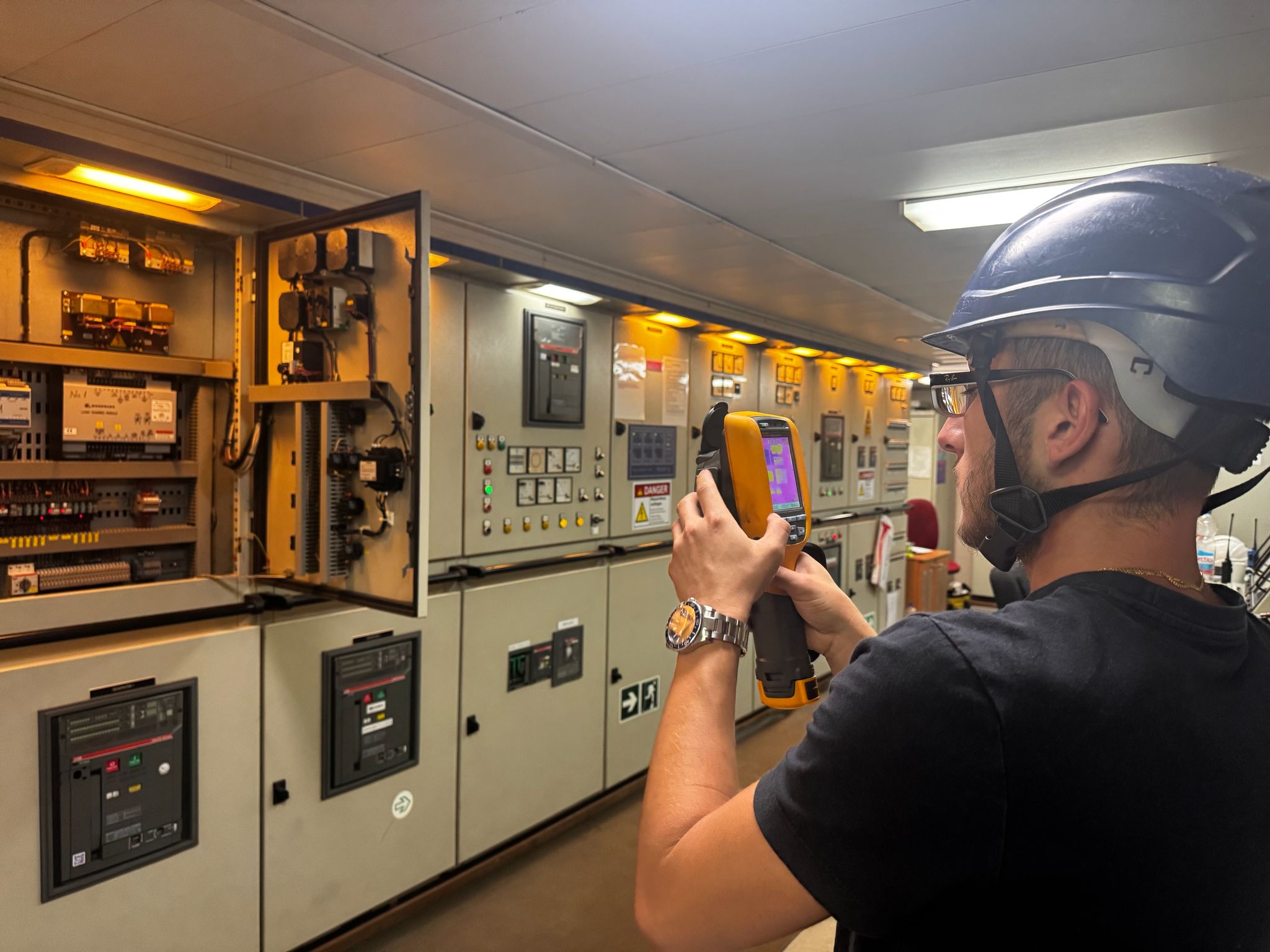
How hot spot and electric load disballance looks like. To prevent real world problems we provide a real investigation.

Safeguarding the Seas: Onboard Thermal Imaging for Marine Electrical Systems
When a ship is out at sea, a sudden electrical failure isn’t just an inconvenience it’s a major operational hazard, a costly downtime event, and a severe safety threat. Because you can’t fix what you can’t see, Marine Thermography (Thermal Imaging) has become critical for predictive maintenance, capturing invisible anomalies under real operational loads before they manifest into catastrophic failures.

The Invisible Threats: Hot Spots & Load Imbalances. Our professional thermography services primarily target two critical electrical vulnerabilities: The Danger of “Hot Spots”: Localized areas of elevated temperature usually caused by loose or corroded terminations and degraded switch contacts. Left unchecked, this thermal runaway can melt insulation, destroy components, or spark an electrical fire. Identifying Load Imbalances: When one phase carries significantly more current than the others, it causes uneven thermal stress. Continuous imbalance degrades insulation prematurely, overloads the neutral line, and causes unexpected breaker tripping. Operational Advantage: Inspections are conducted during live operations. There is no need to shut down power or disrupt the crew’s workflow to locate faults.


Strategic Port Coverage Across Europe
To minimize vessel deviation, our certified technicians mobilize quickly across major European shipping lanes and hubs:

  • Spain & Canary Islands: Full coverage across mainland hubs (Algeciras, Valencia, Barcelona, Bilbao, Castellón, Tarragona) and the Atlantic crossroads (Las Palmas, Tenerife).
  • Gibraltar: Rapid mobilization for vessels anchoring or bunkering in the Strait.
  • French Ports: Complete service across major gateways including Marseille Fos, Le Havre, and Dunkirk.
  • Poland: Dedicated Baltic Sea support at the Port of Gdańsk.

Why Choose Professional Marine Thermography?
Prevent Costly Downtime: Catch component degradation months before failure to plan repairs during scheduled port stays.

Enhance Safety: Drastically lower the risk of electrical fires, which are among the most dangerous events at sea.

Class Survey Compliance: Meet the growing requirements of insurance underwriters and classification societies.

Secure your next voyage. [Contact our marine engineering team today] to schedule a certified thermal analysis at your next port of call.

Hot Spot Thermography


Continue Reading →
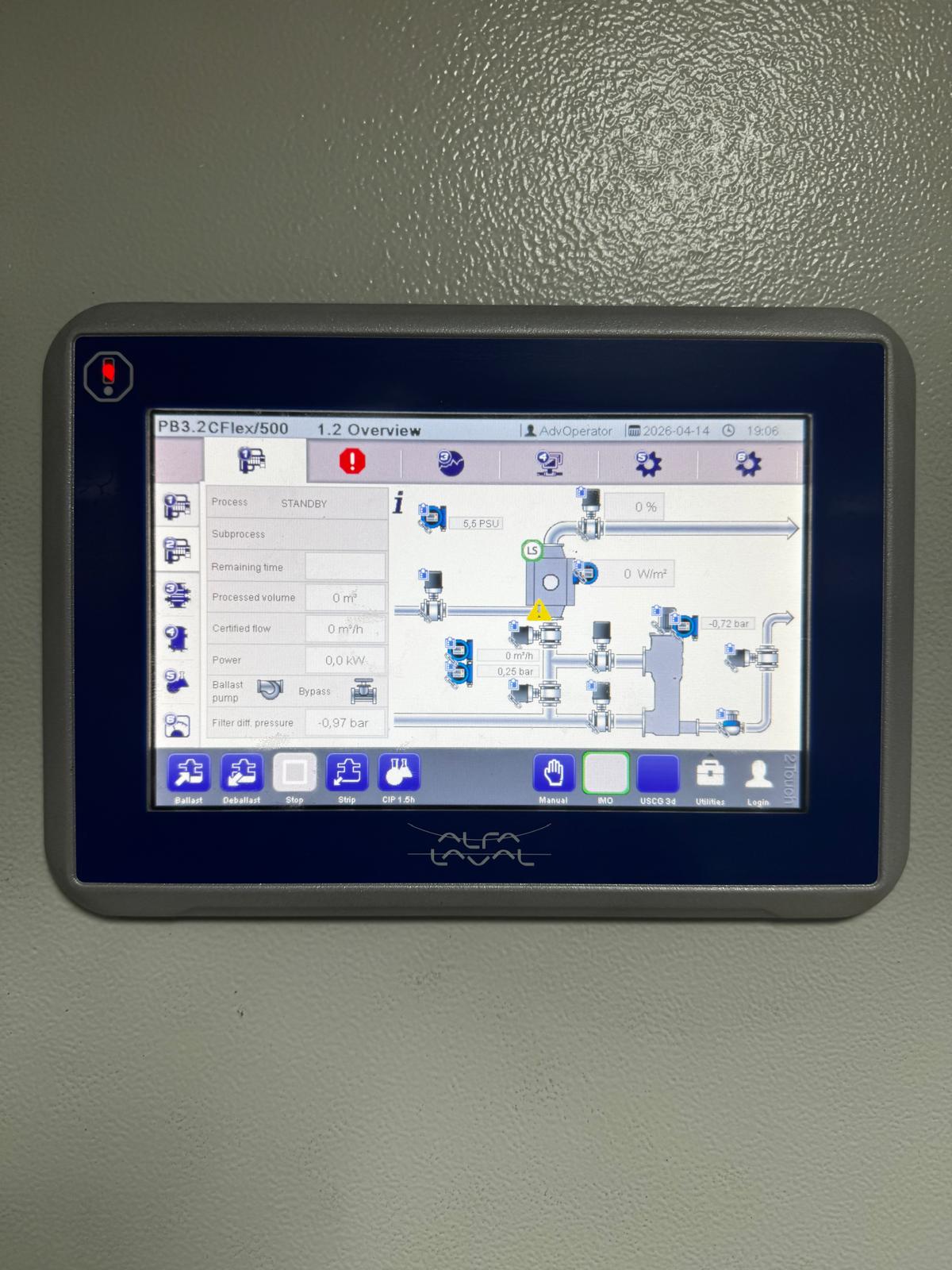
Technician performing calibration and fault diagnostics on Alfa Laval PureBallast 3 system aboard a vessel.

Ensuring compliance and safety with expert calibration and flow fault diagnostics for Alfa Laval PureBallast 3 systems.

Maintaining the reliability of your Alfa Laval PureBallast 3 is essential for safe and compliant vessel operations. Flow faults and improper calibration can compromise system efficiency and place your vessel at risk of non compliance with international marine regulations.

Our specialized service focuses on precise calibration and configuration of PureBallast 3 systems, ensuring alignment with ISM safety requirements and operational integrity. By addressing flow inconsistencies and optimizing system parameters, we help restore peak performance while minimizing downtime.

Built on advanced UV treatment technology, this system is designed to treat ballast water effectively across varying salinity and temperature conditions. Its compact design and chemical free operation make it a reliable choice for modern fleets. Additionally, the system’s automated monitoring ensures consistent treatment performance and operational transparency for crew and inspectors alike.

From a functional standpoint, PureBallast 3 integrates high efficiency UV reactors with intelligent control systems that continuously adjust to flow variations. Its design supports straightforward maintenance while delivering consistent biological disinfection performance, even under challenging water conditions.

Service Scope
We provide a full range of onboard services including Health Checks, Full Function Testing, Certification, Calibration, Repair, and Commissioning. Our expert technicians ensure your system operates within manufacturer specifications and regulatory limits.

Service Coverage
Our support network spans key European shipyards including Gdansk, Varna, Mangalia, Rijeka, Tuzla, Yalova, Burgas, Algeciras, Gibraltar, Cadiz, Ferrol, Gijon, Bilbao, Valencia, Burriana, Damen Rotterdam, and Setubal.

Regulatory Compliance
Under IMO frameworks such as ISM and SOLAS, ballast water treatment systems must be properly maintained and calibrated to ensure safe operation. Inspection regimes like SIRE 2.0 and industry guidelines recommend periodic calibration typically annually or during scheduled maintenance cycles to verify system accuracy, safety, and environmental compliance.

Continue Reading →

The Hidden Gem

In a marine power plant with three 600 kW generators, a 2% voltage difference doesn’t just disappear when connected it converts into physical heat within the alternators.

Since the generators are sharing the kW load equally but have different voltages, the energy loss (in kW) comes from Circulating Current between them.

The Hidden Kilowatt Loss: Even if your ship load is constant, the engines must burn extra fuel to overcome the resistance of this internal current.

Estimated Loss: For a 2% voltage spread on 600 kW units, expect a continuous loss of 3 kW to 6 kW per generator (total system loss).

Fuel Impact: This equates to roughly 2 to 5 liters of extra fuel per hour (500 liters month ) just to maintain the “fight” between the two or three alternators.

Scope of Services
AVR & Excitation Alignment
Governor (GOV) & Speed Control
PMS Health Check (Power Management System)
Full Function & Protection Testing

Marine AVR (Automatic Voltage Regulator) Models
Basler Electric: DECS-100, DECS-150, DECS-250 (Digital), and the analog AVC series.
Leroy Somer: R230, R250, R438, R448, and the digital D510C or D550.
Caterpillar Perkins: VR6, CDVR (Digital Voltage Regulator).
Mecc Alte: DER1, DSR, UVR6.
Stamford AvK: AS440, MX321, MX341, and the digital DM110.
ABB UNITROL: Unitrol 1005, 1010, 1020.
Marathon Electric: DVR2000E, DVR2400.

Marine Governor (GOV) Models
Woodward: Digital: 723R, 2301D, Peak 150, and the Protective Control 505.
Hydraulic Mechanical: UG-8, UG-25+, 3161, and EGB series actuators.
Heinzmann: E6, E16, E30 actuators with Priamos or Pandora digital controls.
Cummins: EFC (Electric Fuel Control) and GCS modules.
GAC (Governors America Corp): ESD5111, ESD5500E series.
Barber Colman Woodward: Dyna 8000, Dyna Plus.
Volvo Penta MTU: Integrated ECU/EDC units (MDEC/ADEC) that interface with the PMS via J1939 CANbus.

Integrated PMS Load Sharing Modules
DEIF: Multi-line 2 (ML-2), AGC-4, AGC 150.
ComAp: InteliGen NT, InteliSys GSC.
Selco: T2000, T2100 Load Sharing Units.
Deep Sea Electronics (DSE): 8610, 8660 series.


Continue Reading →

Many vessels still operate with legacy automation platforms installed more than two decades ago. One example is the Efansa AMS PMS alarm and monitoring system, integrated onboard ships during major automation upgrades in the early 2000s. Today, several of these systems remain operational even though OEM support, spare parts, and software maintenance are no longer available.

Our engineering team recently carried out a full repair and recovery project for an Efansa Alarm Monitoring System (AMS) and Power Management System (PMS). These systems are essential for supervising engine room equipment, alarms, and operational parameters across propulsion, auxiliary machinery, and electrical distribution.

According to the manufacturer, Efansa has specialized for decades in the development and programming of control equipment and automation systems for industrial and marine applications, providing integrated engineering solutions and custom built control platforms.

From a functional perspective , a marine Alarm Monitoring System continuously supervises the operational status of critical ship machinery and alarms. These systems collect and display real time parameters from engines, generators, steering gear, and auxiliary systems, ensuring crew are alerted immediately in case of abnormal conditions.

Alarm systems also centralize machinery alarms, engineer call functions, alarm logs, and event history, allowing operators to track and respond to failures quickly.

Service Scope

Our onboard automation service includes: System Health Check, Full Function Test, Alarm & signal verification, Electronic module repair, Controller HMI diagnostics, Commissioning and operational validation. Service can be performed directly onboard during shipyard stays or port calls.

Service Coverage EU Shipyards

Gdansk, Varna, Mangalia, Rijeka, Tuzla, Yalova, Burgas, Algeciras, Gibraltar, Cadiz, Ferrol, Gijon, Bilbao, Valencia, Burriana,  Damen Rotterdam, Setubal

Marine Regulatory Compliance

For vessels operating under UMS (Unattended Machinery Space) notation and modern inspection regimes such as SIRE 2.0, alarm and monitoring systems must remain fully operational and verified. Under IMO SOLAS and ISM Code safety management practices, critical alarm and monitoring instrumentation should be periodically tested and calibrated, commonly during annual surveys or planned maintenance intervals (typically 12 months), to ensure reliable machinery safety monitoring and compliance during inspections.

Continue Reading →